Johnnie Walker Art of Design Award 2026
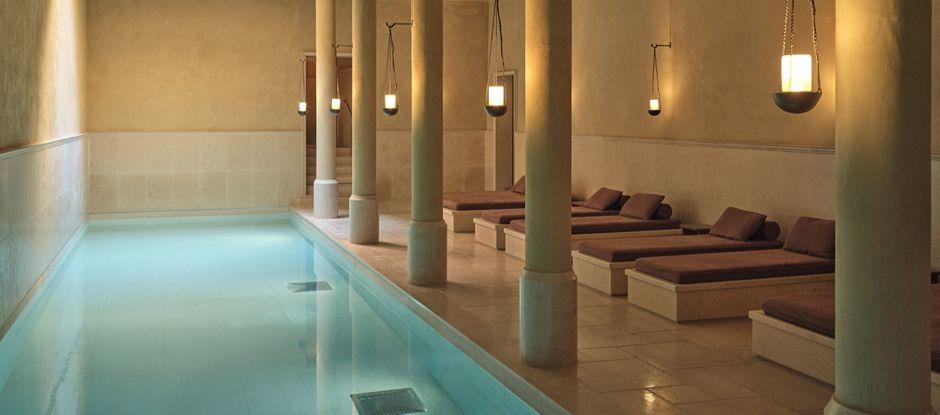
Hôtel du Couvent
Nice
The quiet art of letting space speak
Hôtel du Couvent is a 17th-century convent renovation that has been allowed to continue its original vocation of hospitality, care and retreat.
Its design power lies in the rare discipline of not over-designing. Rather than imposing a contemporary concept, architect Louis-Antoine Grégo and Studio Méditerranée treated the building as the author, listening to four centuries of monastic life already present in its walls, gardens, light and daily rhythms.
The project began with unusually intimate research. Grégo lived on the 7,500-square metre site for more than four years, sleeping in different rooms to understand orientation, wind, rain, temperature and seasonality as the nuns once had. Students and collaborators made full-scale mock-ups, drew landscapes on the walls and revived the vegetable garden by hand. This was not restoration as desk-based archaeology, but design through inhabitation.
That sensitivity was sharpened by an unexpected collaborator: Sœur Marie-Chantal, the last nun to have lived there. Her letters, memories, photographs and original plans became working tools, revealing lost proportions and justifying an elevation faithful to the convent's history rather than to architectural invention.
Every design choice follows the same ethic: minimal, reversible intervention. Materials were reclaimed, re-used and re-situated with almost monastic common sense. Old beams, some identified as former ship masts, became bespoke desks. Terracotta tiles were repositioned beneath the cloister arcades. Stones from archaeological digs rebuilt the terraced garden walls. Lime-hemp render improves thermal and acoustic performance without disguising the building's age. Sustainability here is not a badge, but a method of continuity.
Its aesthetic is equally restrained. Colours were not chosen but rediscovered through stratigraphic analysis: greige, sage green, washed yellow and faded pink, all tones used by the Visitandine nuns in 1803.
The interiors tread lightly. Carrara marble washbasins subtly echo holy water fonts; antique and bespoke furniture sit alongside custom pieces made from salvaged timber; nearly 3,500 books and a carefully placed art collection create atmosphere without theatricality. Works by Antoni Tàpies, Claude Viallat, Inès Longevial and others are arranged according to studies of convent iconography, modest in scale and attentive to thresholds, windows and doors.
The design even extends beyond architecture into ritual. Guests are welcomed by the scent of freshly baked madeleines served beneath the orange trees. Three bespoke fragrances evoke polished church pews, purification and aromatic herbs.
Food, wellness and civic life are designed with the same coherence. Bread is milled and baked on site in the former bakery, herbs come from the gardens and fruit, vegetables and eggs arrive from the hotel's own organic farm less than an hour away. Once a month, the courtyard becomes a public market, turning a private five-star hotel into a neighbourhood square.
A worthy winner of this year's Johnnie Walker Art of Design Award, Hôtel du Couvent proves that luxury can be quiet and intelligent, and that the most powerful design is sometimes the one that allows a place to remain profoundly itself.
Contact
1 Rue Honoré Ugo, 06300 Nice, France
+33 4 12 05 55 60 Visit Hôtel du Couvent's Website Visit Hôtel du Couvent on InstagramPrevious Winners
Discover more about the previous award winners