
From the age of destination dining to fire-led cooking's enduring appeal, these are the trends shaping this year's ranking.
The race to the top of the restaurant world rarely follows a straight line. In this year's ranking of The 50 Best Restaurants, sponsored by S.Pellegrino & Acqua Panna, long-standing institutions share the stage with ambitious newcomers and reimagined concepts. Here, we look closely at the numbers, locations and culinary ideas that have shaped this year's list.
Excellence takes time (and constant innovation)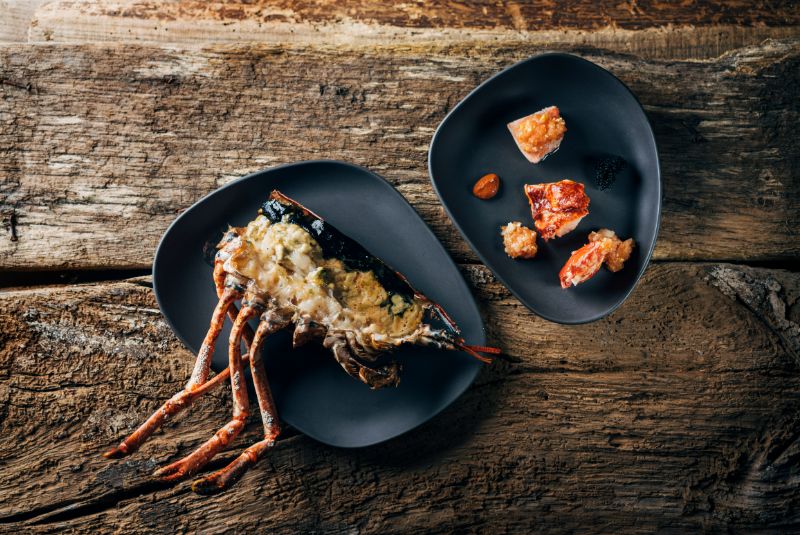
Elkano in the Basque Country opened in 1964
How long does it take for a restaurant to hit its stride? The numbers from the 2026 list suggest around 15 years: the average time each restaurant in the 1-50 list has been open.
For many of the ranked restaurants, it's not been an overnight success, with their debuts ranging from 1964 to 2023. This year's No.1, Asador Etxebarri, opened in 1990, before first appearing on The World's 50 Best Restaurants list in 2008, and holding a top ten position for the last decade.
This is not to say there's no space for newcomers. Al Gatto Verde, Atelier Moessmer Norbert Niederkofler, Naar, Ru Yuan and Vyn all opened in 2023. The lead chefs behind the first three, however, have all headed up kitchens in previously ranked restaurants.
While many take years before appearing on the list, newness is often a theme among those that remain. Some 31 of the 50 restaurants on the list have undergone renovations, relocated or opened within the last five years.
Asian dining is making moves
In Asia, 14 restaurants ranked on both the 2026 and 2026 lists, but beyond the numbers, there are several other achievements.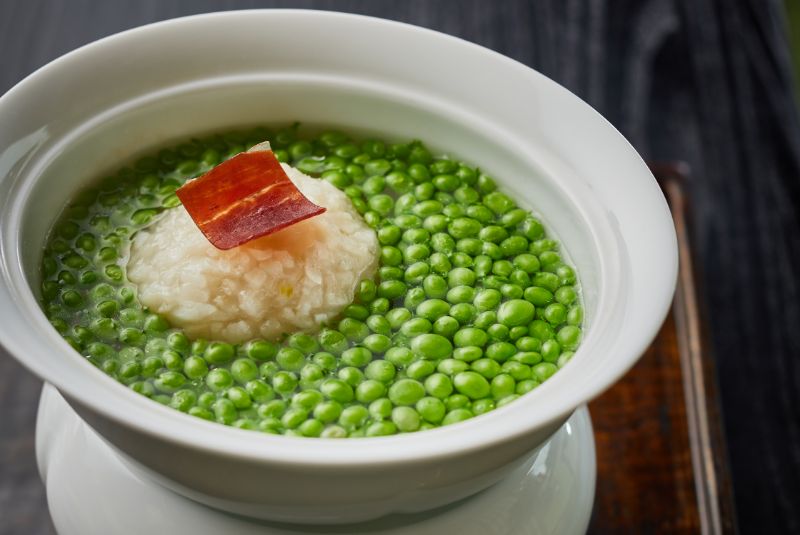
Asia holds three of the top ten spots for the first time ever
This year marks the first time restaurants in Asia have held three spots within the top 10 – up from two in 2025 and one in 2024. Gaggan also makes history as the highest placed Asian restaurant in the history of the ranking, at No.2.
This year, each of venue moved up an average of six places from last year's position. The largest of these jumps was seen in Bangkok's Nusara, which rose 17 places. Bangkok also makes its mark as the destination with the most restaurants on the list.
Mainland China holds sway too. Ru Yuan and Meet the Bund's recent appearances on the list mark the first time a restaurant from Mainland China has made it on since 2019 – a trend that reflects the region's growing recognition in Asia's 50 Best Restaurants.
Genre-defying cooking is all the rage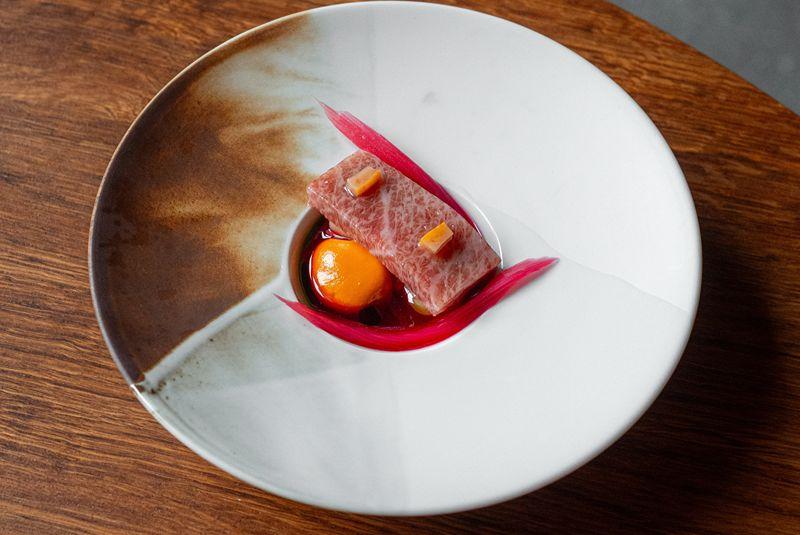
Ikoyi has moved away from traditional culinary labels
Fine dining is constantly evolving. For years, it was easy to define most restaurants with broad brushstrokes, usually based on nationality. Today, global influences, travel and chefs' creative ambitions make distinguishing cuisines and concepts much less cut-and-dried.
Looking at how the restaurants on the list describe their cuisine shows that many steer clear of traditional labels. Take London's Ikoyi, for example, which was initially described as a West African restaurant when it opened in 2017.
Today, it identifies as 'spice-based cuisine based on British micro-seasonality'. What this translates to in real terms are ultra-inventive dishes that play into chef Jeremy Chan's background and nomadic childhood, such as a mussel and saffron crème caramel with caviar. West African influences are still on the menu, but this move away from a fixed culinary label has given the restaurant more room to grow.
For many of the restaurants on the list, going without a label is essential as they pursue unconventional, playful approaches to fine dining. This broadly applies to the restaurants who followed in the wake of molecular gastronomy and technical cooking pioneered by restaurants like The Fat Duck and El Bulli. 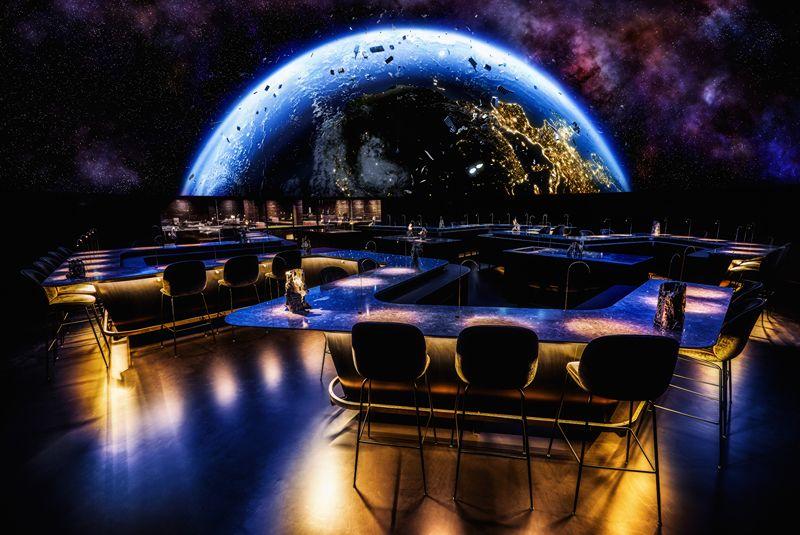
Alchemist in Copenhagen is a multi-hour experience with 'impressions' instead of courses
At Alchemist in Copenhagen, there are no courses, only 'impressions' – of which there are up to 50. These range from freeze-dried butterflies to a photorealistic eyeball made of fish gels, titled 1984. It's a similar story at Enigma in Barcelona and Madrid's Diverxo, where courses draw from myriad influences and are inseparable from the broader theatricality on offer.
Europe remains the leader, thanks to destination dining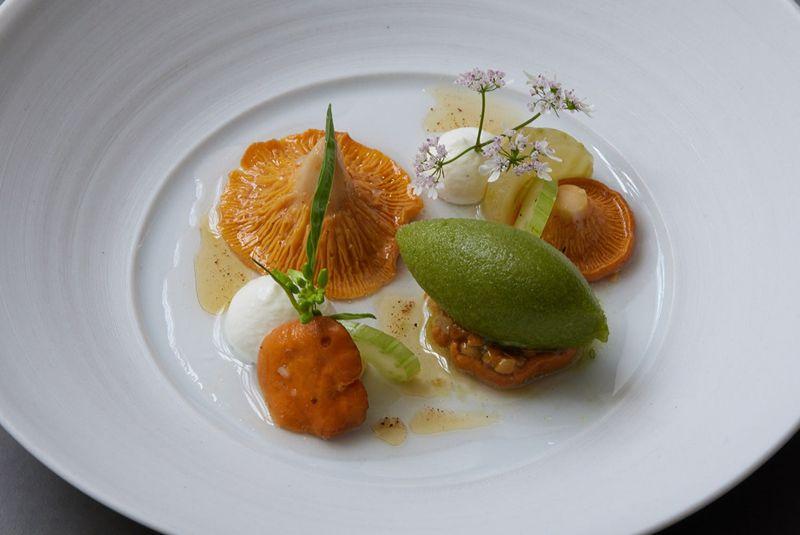
Europe leads, with 21 restaurants on the list
While Asia's ascent stands out, Europe continues to lead, holding 21 of the 50 places in this year's ranking. But Europe's total in 2026 marks a minor decrease in its overall share, with food capitals like London losing ground. Many longstanding strongholds remain, among them Copenhagen, whose three entries place it joint-second, behind only Bangkok. So, what's keeping Europe's numbers up? Destination restaurants in some of the continent's more remote corners.
More than ever, some of Europe's most compelling restaurants are located beyond the major cities, whether in France's Saint-Méloir-des-Ondes, Italy's Brunico, Switzerland's Fürstenau or the Basque Country.
The common thread tying these restaurants together is that terroir, nature and sustainability are at their core. At Atelier Moessmer Norbert Niederkofler, its 'cook the mountain' philosophy results in a unique take on Alpine cuisine.
At new entry Le Coquillage, the coastline of Brittany acts as the pantry for a meat-free menu built around seafood, seaweed and spices. While the globalisation of fine dining means diners can taste the world without leaving their own city, new experiences in unique destinations are increasingly attractive to gastronomes.
Cooking over fire stands the test of time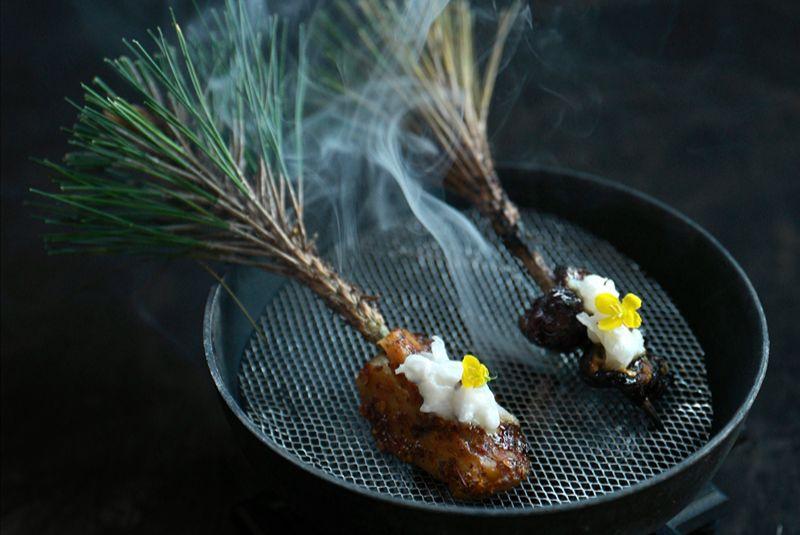
Open-fire cooking remains a staple of modern fine dining
Cooking with fire has sustained humanity for hundreds of thousands of years, yet the world seems more obsessed with it than ever. While many kitchens on The 50 Best Restaurants list have an open-fire station, there are a number of places where fire is so central, it couldn't exist without it.
Six restaurants on The 50 Best Restaurants 2026 list are fire-focused. Elkano in Getaria and Don Julio in Buenos Aires, for example, do not hugely differ from their respective cuisines' traditional use of open-fire cooking, but show total mastery over a technique that seems simple on paper, but is hard to master.
The same cannot be said for Al Gatto Verde – led by the Best Female Chef Award, sponsored by Lexus, winner Jessica Rosval – where fire is important, but is used differently. Instead of maximising the Maillard reaction on large cuts of meat and fish, Rosval uses fire to amplify, such as on a salt-and-ash-crusted cod with vegetables and béarnaise potato cream.
A similar story rings true at Sustainable Restaurant Award-winner Naar in Kasauli, where fire is used as the platform for chef Prateek Sadhu's frontier-pushing take on Himalayan cuisine. And following this year's colossal win for Asador Extebarri, it looks like open-fire cooking is here to stay.
The list of The 50 Best Restaurants 2026, sponsored by S.Pellegrino & Acqua Panna, was revealed in Lima, Peru, on 4 November. Discover the 1-50 and 51-100 extended list, plus special award winners.
Asia rises, fire endures and genres are defied: 5 trends behind The 50 Best Restaurants 2026 list


Sign Up to Discover More
- Save top venues and articles
- Create and share your own lists
- Receive our weekly newsletter