
From slow-cooked wheat and spiced rice to saffron pancakes and sticky date-syrup dumplings.
Abu Dhabi's dining scene is known for its global variety, but some of its most iconic dishes come from closer to home. Emirati cuisine takes influence from the desert and the Arabian Gulf, as well as being shaped by Bedouin traditions and centuries of trade across the Gulf, Persia, India and East Africa. Today, this manifests as a cooking style built around aromatics and open flames. Think grains simmered for hours, rice scented with dried lime and saffron and fish grilled simply over fire.
A new generation of chefs and restaurateurs is giving the cuisine a fresh take. Erth became the first Emirati restaurant to earn a Michelin star in 2023, while family-run institutions and restaurants founded by home cooks are keeping recipes passed down through generations in circulation, often in dining rooms designed to evoke the Abu Dhabi of the 1960s and 70s.
Discover seven dishes that define Emirati food culture and the restaurants where you can taste them at their best.
Machboos
Al Khayma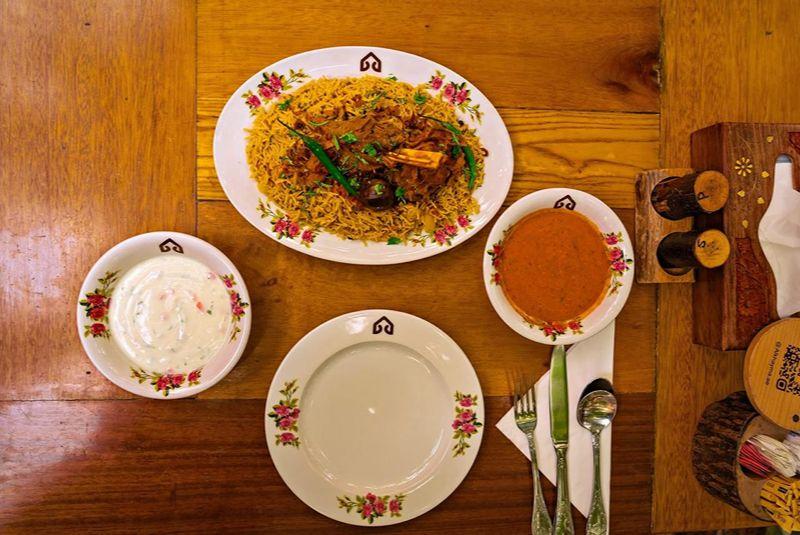
Often described as the national dish of the UAE, machboos is a fragrant rice dish cooked with lamb, chicken or fish, with rice absorbing spiced broth as it simmers. Dried limes (loomi) give it its distinctive tang, while warm Gulf spices add depth. Al Khayma, a heritage restaurant known for its traditional Emirati menu, serves machboos as one of its signatures. Its Abu Dhabi branch sits at the Sheikh Zayed Grand Mosque Visitor Centre, making it an easy stop after a visit to one of the city's best-known landmarks. The dish is made for sharing, so order a large platter for the table.
Harees
Erth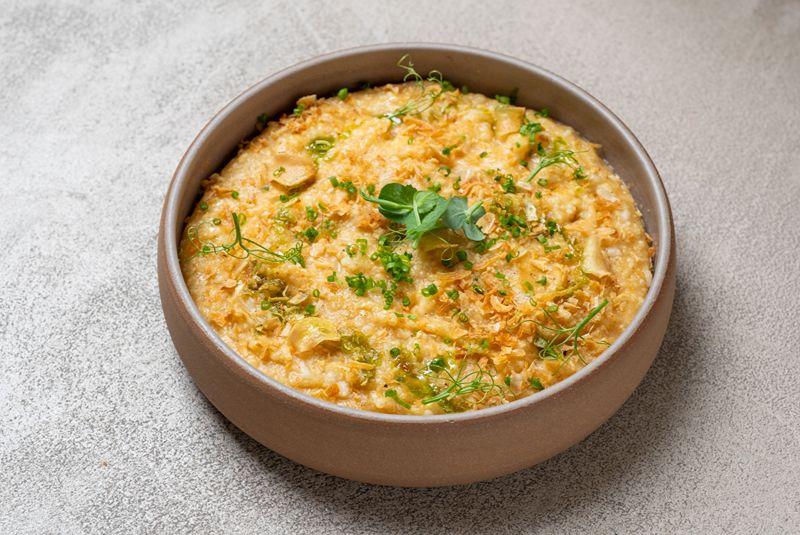
Harees is among the oldest and most beloved dishes in the Emirati repertoire, traditionally made by cooking wheat and meat together for hours until the mixture becomes creamy and porridge-like. At Erth, located in the Qasr Al Hosn area near Abu Dhabi's oldest standing building, the dish appears in a modern form as veal harees. Led by chef Arivu Ravikkumar, the restaurant takes its name from the Arabic word for 'legacy', and its majlis-inspired interiors, cookware and hospitality all nod to local tradition.
Luqaimat
Lgymat and Rgag
These small, golden dumplings are deep-fried until crisp on the outside and soft within, then drenched in date syrup. Luqaimat is the UAE's best-loved sweet, often served at gatherings and during Ramadan. At Lgymat and Rgag in Al Nahyan, the dessert shares top billing with regag, the crisp flatbread often served with cheese. Open from the early morning until the small hours, it is one of the city's most beloved spots for a casual Emirati bite, and the date-syrup luqaimat are best eaten warm.
Thareed
Al Fanar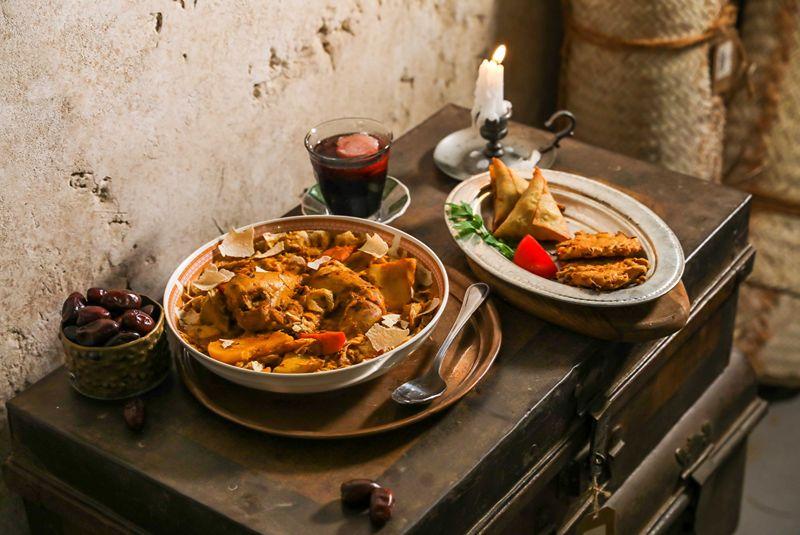
(Image: Maks and Eva)
Thareed is a hearty stew of slow-cooked meat and vegetables, ladled over thin, crisp bread known as regag, with the bread soaking up the rich broth. It is regarded across the Gulf as an iconic comfort dish. Al Fanar transports diners to the Abu Dhabi of the 1960s through its lantern-lit interiors and a menu spanning machboos, thareed and grilled seafood. Its name means 'lantern' in Arabic, a reference to the glow of the old town. It is a fitting setting for a dish built on warmth and generosity.
Chebab
Al Mrzab
A staple of the Emirati breakfast table, chebab are soft, slightly chewy pancakes scented with saffron and cardamom, typically served with date syrup or cheese. Al Mrzab serves home-style Emirati dishes in an atmosphere that pays tribute to the city's past. The menu spans traditional rice and meat dishes as well as classics such as harees and chicken regag, and a meal here is best concluded with khanfaroush, a fried Emirati sweet.
Madrouba
Falwa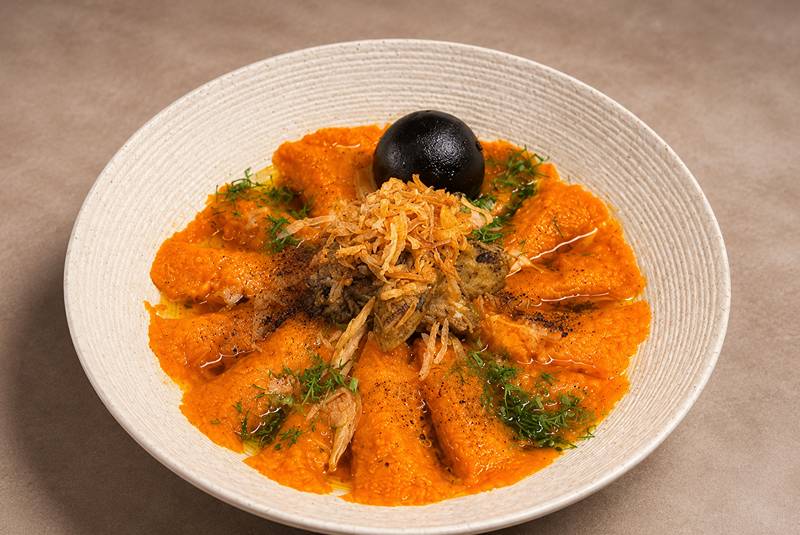
(Image: Untitled Creative Consultancy)
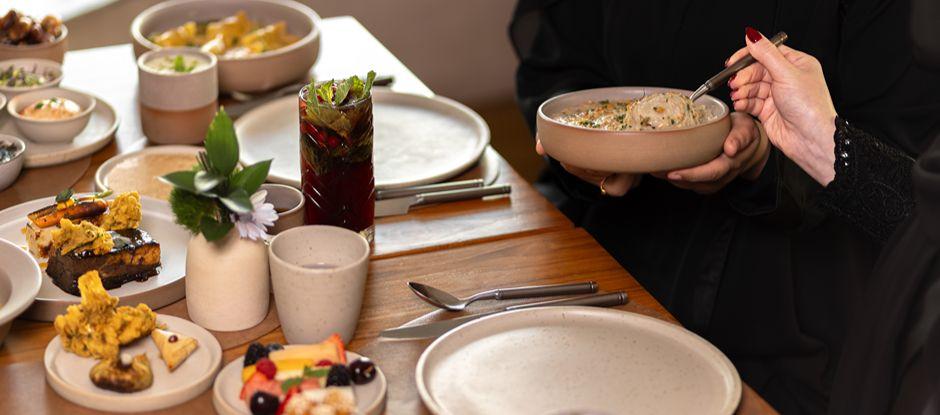
A thick, savoury porridge of rice and chicken, madrouba is cooked down until creamy and deeply comforting. Every family has its own way of making it. Falwa, a relative newcomer in Abu Dhabi's dining scene from chef Faisal Alharmoodi, focuses on contemporary Emirati cooking, with interiors inspired by Arabian equestrian heritage. Its menu reimagines classic Emirati dishes with modern technique while keeping the flavours of home central to each plate.
Samak mashwi
Meylas
With a coastline that has fed its people for centuries, the UAE has a deep tradition of seafood dishes. At Meylas, samak mashwi comes in the form of local fish grilled and stuffed with onions, tomatoes and spices, served with white rice and local ghee and best eaten with your hands. Founded by Shaikha Al Kaabi, who began with a food truck before opening a permanent restaurant in Al Muneera, Meylas serves recipes drawn from Emirati mothers and grandmothers. Its interiors are full of nostalgic details, from repurposed semolina tins to a front door taken from a 1970s Emirati home.
The 50 Best Restaurants Middle East & North Africa 2027 will be revealed from Abu Dhabi on 26 January. Discover the 2026 list and special award winners.
7 iconic Emirati dishes and where to eat them in Abu Dhabi

Sign Up to Discover More
- Save top venues and articles
- Create and share your own lists
- Receive our weekly newsletter