
The restaurateurs share where to eat, drink and get away from it all.
With its awe-inspiring temples, emerald-green rice fields, volcanic landscapes and creative communities, Bali has long stood out as the destination with it all, and food is undoubtedly part of the pull. The island's dining scene has flourished in the past few years, buoyed by a new wave of travellers drawn by polished Indonesian food, playful cocktail bars and old-school roadside warungs alike.
Few people have been more instrumental in that reinvention than chefs Ray Adriansyah and Eelke Plasmeijer. The pair first worked together in Jakarta before moving to Bali, where they spent a decade running the original (and much smaller) Locavore in Ubud.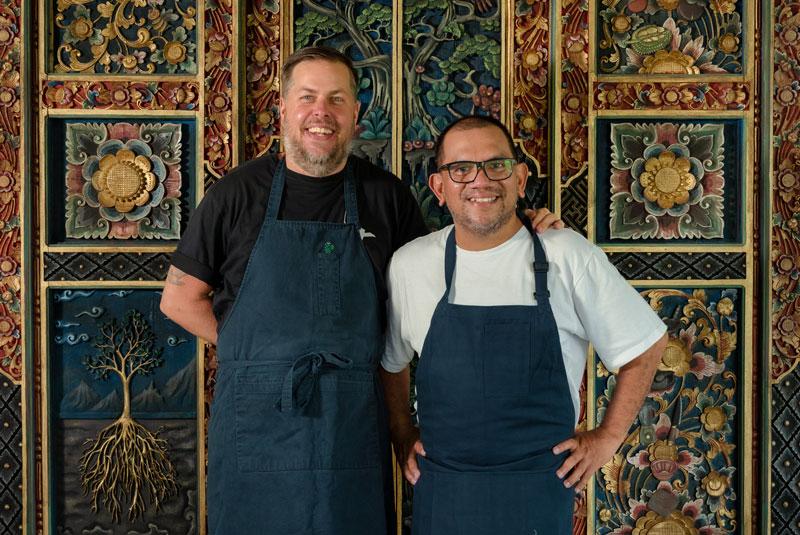
Chefs Eelke Plasmeijer and Ray Adriansyah founded Locavore Group in 2013
At the end of 2023, they supersized the concept with Locavore Nxt: an idyllic 6,000-square-metre site surrounded by rice fields, where a rooftop vegetable garden, underground mushroom chamber, fermentation lab and on-site waste centre all feed into a restaurant built around Indonesian ingredients and sustainability.
Both have made the island home and witnessed its rapid transformation first-hand but still feel excited by its natural abundance – whether that's unique microclimates, foraged ingredients or deep-rooted recipes. From suckling pig to homegrown coffee, this is their guide to Bali.
What makes Ubud special?
Eelke: It's the cultural heart of Bali. The wood carvers, silversmiths and stone carvers are here. If you go further south, people are busy, but life is a little slower here, although it has sped up over the years. You still don't have to go far to be in nature again. Food-wise, it's also one of the better destinations in Bali, alongside Canggu and Uluwatu.
Which Balinese dish should every visitor try?
Eelke: If you want a Balinese experience, look for suckling pig: babi guling. I love it and my wife says she could eat it every day. I like Pande Egi, a 20-minute drive from Ubud. With babi guling you get the meat, crispy skin, a few different sausages and other bits and pieces, and there you can say, "I want more skin, I want more of this, I want more of that."
Ray: There's another dish called betutu: duck or chicken very slowly cooked with the Balinese spice base Bumbu Bali. Our head chef at Nusantara by Locavore does a really kick-ass betutu, but it's not on the menu. It's more of a special-occasion thing.
Any modern spins on old favourites?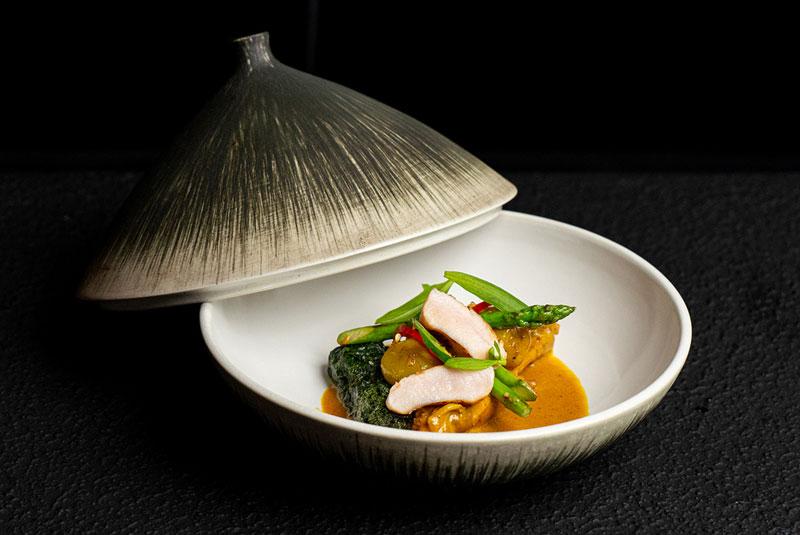
Sangsaka serves rabbit with potato, asparagus and torch ginger in a rich, spicy paniki sauce inspired by Minahasan cuisine from North Sulawesi
Ray: Sangsaka does a very good job of modernising Indonesian cuisine. I haven't been there for a while, but I go there for special occasions. That's my spot if I go to Seminyak.
Eelke: Our own restaurant, Nusantara, is one of the few in Bali where you can find food from different Indonesian cultures on one table. Normally these dishes would never find their way onto one table because they come from different islands.
What's your ultimate comfort food?
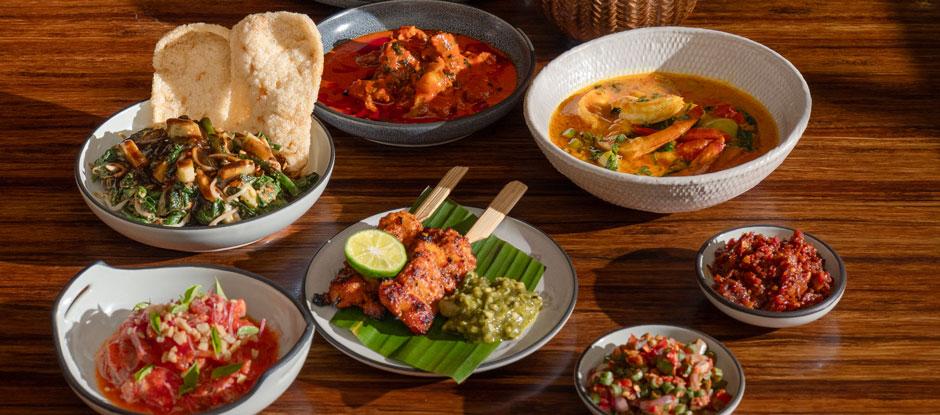
Eelke: Nasi padang, a well-known meal from Sumatra, where Ray's parents are from. It's served from a counter, and you can pick what you want, or if you go in a group they will lay out the table with all kinds of delicious things. You just pay for what you eat. Padang is close to India, so you get lots of coconut curry, dishes like braised beef, for instance.
Ray: .... veal brain, or cow hoof. I like the braised tendons, the gizzards and the chicken liver with red sambal. It's not just a rendang, right? We used to go for nasi padang in Jakarta, after service, and now we miss it because there are not many good padang restaurants here.
Eelke: In Bali, my favourite – maybe Ray's as well – is called Sederhana, which means "simple" in Indonesian. It's close to the airport, so when we pick up our guest chefs, it's usually our first stop.
Best spot for breakfast?
Ray: My go-to breakfast is Balinese nasi campur. It's rice mixed with different things – eggs, sambal, sometimes shredded beef... I get it from a warung in Denpasar called Warung Wardani. When I was younger and my mum took me to Bali, that was the warung she took me to. It's part of my routine now. If we're too lazy to cook on a Sunday, that's our go-to, or we just get it delivered.
And when you're craving something different?
Ray: There's a taco restaurant called Origen in Pererenan; it has a Mexican owner. It doesn't just serve tacos; there's a variety of Mexican food and it's great. It feels very authentic. That's why I like it. Their fish tacos, carnitas and chips are amazing. They serve corn, pico de gallo, guacamole – it feels like they know what they're doing. 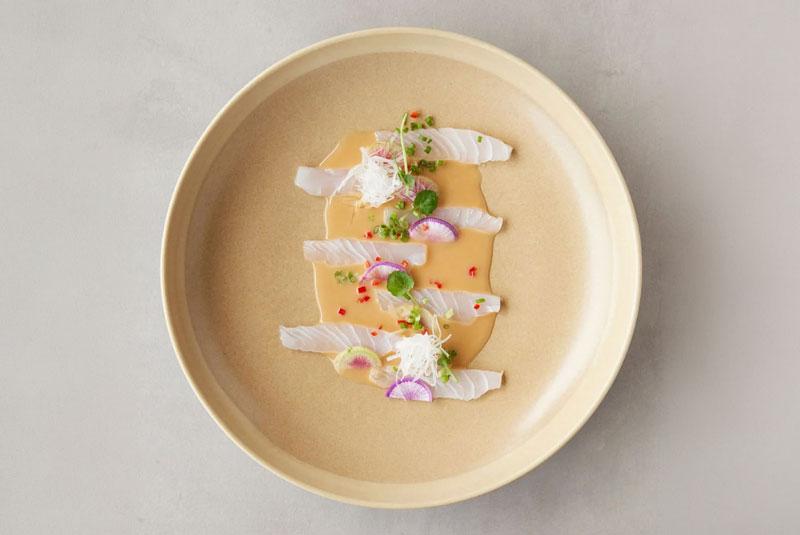
Pica serves ceviche with catch of the day with garnishes such as sliced radishes and chives
For a special occasion, I go to a South American-Peruvian restaurant called Pica. Owners Cris and Monica do a fantastic job. It's a small place – the ceviche is amazing, and they do a great passion fruit and dulce de leche cake.
Eelke: Sometimes you feel like something because you haven't had it for a long time. Barcelona serves good tapas and it's a nice place to spend a Saturday or Sunday afternoon and eat the food we miss. They have proper anchovies, a nice chorizo on a bun. I like their pork Milanese, which is not very Spanish, but it's still very good.
Who makes a good brew?
Eelke: The coffee culture in Bali and Indonesia is brilliant. Maybe 15 years ago there was nothing except the coffee you have to stir and make sure not to drink to the bottom.
These days, we're spoiled. Places roasting their own beans are common. They get their green beans, most of the time, from Indonesia, so the supply lines are really short.
Ray: My go-to is called Series Coffee. They roast their coffee on the spot and bake everything themselves. I used to have my pour-over, latte or flat white there.
Eelke: We buy their beans now for Locavore, so we have Series Coffee every day.
And cocktails?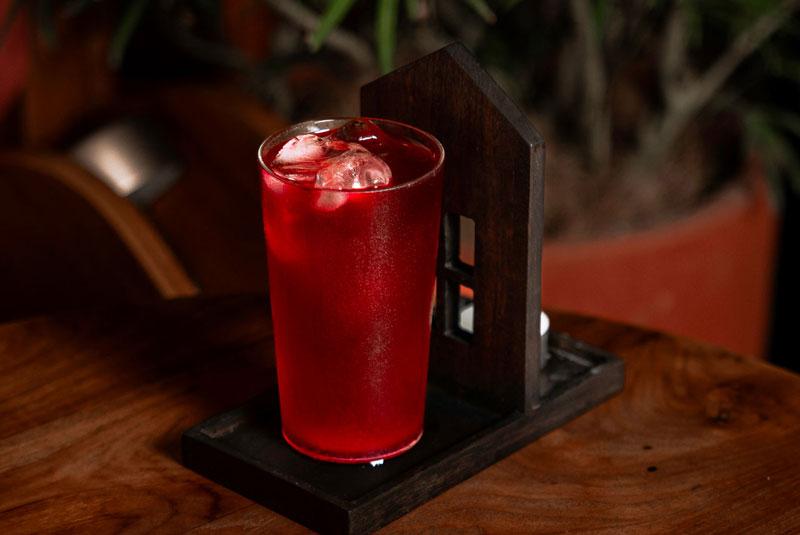
The Do Not Enter cocktail at Night Rooster blends gin, nutmeg liqueur, long pepper syrup, lime juice and fermented bloodberry
Eelke: This is going to be a boring answer, but the only bar I go to for cocktails is our own bar, Night Rooster. Our co-founder Raka Ambarawan has been with us since the day we opened Locavore, 13 years ago. When we were about to open, he walked in out of nowhere and said, "Hey, I'm looking for a job. I'm a bartender." That's when we realised we hadn't hired one yet! He started doing exciting things at Locavore and then we said, "You know what, Raka, we want you out of here. Let's open a bar together."
The cocktails are deeply rooted in Indonesian folklore, so there's always a story to tell. Where possible, they use local spirits. Back in the day, you would buy arak in a big gallon and wonder, who made it, how is it made... is this dangerous? These days, you get niche arak distilleries – nicely bottled, good quality, consistent and very smooth. It's great to see that progress.
And when you really need to switch off? 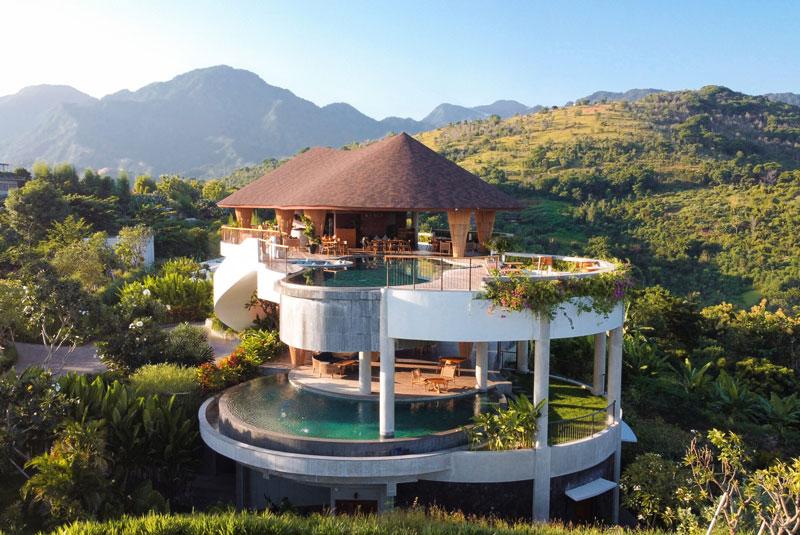
Sumberkima Resort overlooks Sumberkima Bay and the hills of West Bali National Park
Eelke: Sumberkima Resort in northern Bali is beautiful, set on the side of a mountain. From the beach, you can see Java in the distance, and you get these beautiful sunsets behind the volcanoes. The hotel's villas have private pools; it's very affordable but feels very luxurious at the same time.
Ray: Can I say my home? I'm a little bit lucky where I am. On a good day I can see the mountain; I can watch people working in the rice fields. It's super chill. It feels like I can really switch off on my day off, without having to go anywhere.
Discover more fantastic restaurants, bars and hotels with The 50 Discovery, and start planning your next adventure.
Locavore Nxt's guide to Bali

Sign Up to Discover More
- Save top venues and articles
- Create and share your own lists
- Receive our weekly newsletter