
Explore the century-old bodegas of Haro, the medieval streets of Laguardia and the avant-garde architecture of Frank Gehry, all set among more than 65,000 hectares of vineyards.
Found in the north-east of Spain, with France and the Atlantic Ocean as neighbours, and Bilbao and San Sebastián just 100 or so miles away, La Rioja is still quiet when compared to the fame of its wines.
With close to 600 registered wine producers, the region boasts the largest concentration of bodegas in Spain, with more than 65,000 hectares of planted vineyards along the Ebro River.
At any time of year, you'll be met with incredible natural beauty and rolling hills, but September and October – as well as being harvest time – sees the vine-striped land turn into a mesmerising patchwork of vibrant greens, golds and reds.
It's not just the scenery that draws people to La Rioja though, with the region's architectural giants stretching from the medieval hilltop walled town of Laguardia and capital Logroño, to striking modern wineries including Marques de Riscal and Bodegas Ysios. Over the past three decades, the region has transformed into a hub for impressive contemporary structures, with the likes of Frank Gehry, Santiago Calatrava, Zaha Hadid and Philippe Mazières commissioned to bring their 'starchitect' power.
With an overwhelming number of great places to eat, drink, visit and stay, this is how to spend the perfect long weekend in La Rioja.
Day one – Haro and Briones – 80-minute drive from Bilbao Airport 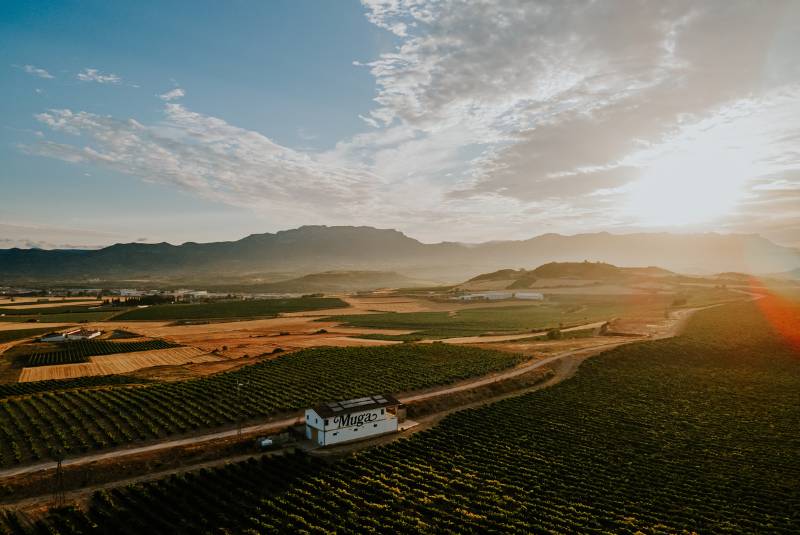
El Barrio de la Estación de Haro ('Station District of Haro') is home to the highest concentration of century-old wineries in the world. Until the late 19th century, wine was hauled by mules and carts to Bilbao (more than 100km away) and then exported by ships. Establishing a train station in the 1860s sped up exports – then the idea came from French investors to build bodegas close to the station. There are now seven wineries all within walking distance: R López de Heredia Viña Tondonia (not open to the public); Compañía Vinícola del Norte de España (CVNE); Gómez Cruzado; La Rioja Alta; Bodegas Bilbaínas; Bodegas Muga; and Bodegas Roda.
Every other year in June, you can visit all six wineries in one day, taste wines and try tapas prepared by renowned chefs during La Cata del Barrio de La Estación. If you'd rather get more hands on, stay until 29 June to take part in Batalla del Vino ('Battle of the Wine'). At dawn, participants follow the mayor of Haro on a 7km procession out of town to the Hermitage of San Felices on the cliffs of Bilibio, a short mass is observed and then chaos ensues with everyone soaking each other with wine.
Visit: Bodegas Muga (No.53 on The 50 Best Vineyards 2025 extended list)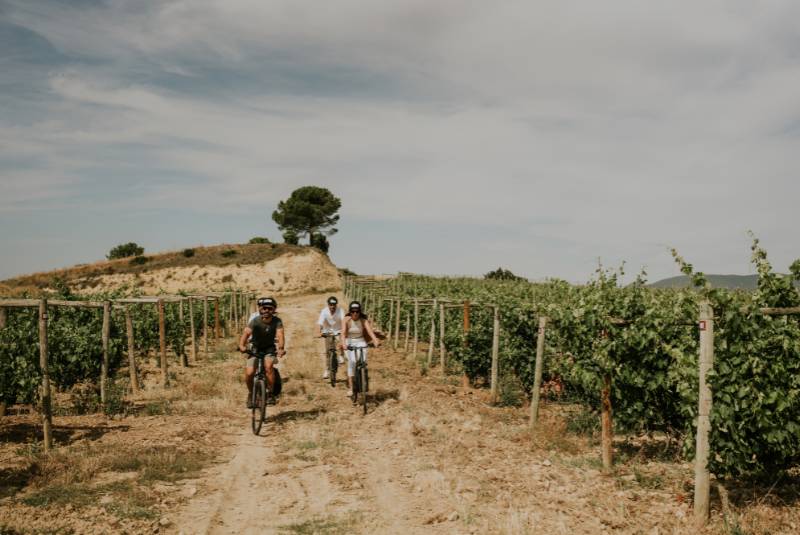
Start your trip in style with a hot air balloon flight over the vineyards bathed in the first light of dawn. After seeing the region from a different perspective, enjoy a traditional Riojan lunch and tasting. If you'd rather keep your feet on (or close to) terra firma, you can whip through on an e-bike, zipping between the vines and old Roman pathways before pausing for an outdoor picnic, tasting wines including the Muga Selección Especial made from tempranillo, garnacha tinta, graciano and mazuelo.
The family-run Bodegas Muga was founded in 1932 by Isaac Muga and Aurora Caño. After making their first wines in an underground cellar, in the late 1960s they established a winery in a 19th-century townhouse. Muga follows traditional winemaking methods including racking casks by gravity and fining with fresh egg whites.
Don't miss: During the tour, you'll visit the on-site cooperage with a master cooper and three assistant coopers – it's the only winery in Spain making its own vats and barrels and is a fascinating process to witness first-hand.
Visit and dine at: Vivanco (No.24 The World's 50 Best Vineyards 2025) – 8-minute drive from Bodegas Muga 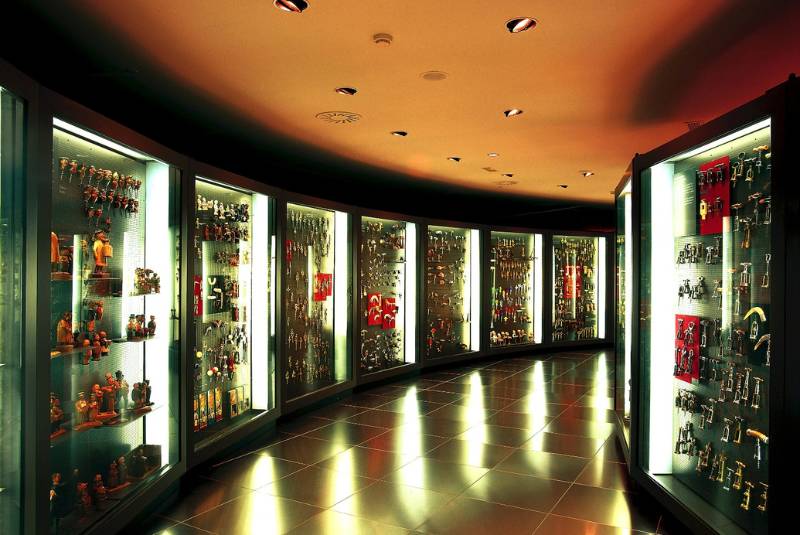
With an entire Museum of Wine Culture, Bodegas Vivanco offers visitors a complete immersion into La Rioja. You'll learn everything from the history of wine to how it's made (with some impressively huge old wine presses), how it's transported around the world and how it's depicted in art – with Dalí, Picasso, Miró and Barceló among others all present and correct. Once you've soaked up as much knowledge as you can, look around the Garden of Bacchus with more than 200 grape cultivars from around the world and tour the impressive state-of-the-art underground winemaking facility.
If visiting during the autumn, join Vivanco for the gastronomic harvest experience, which includes a guided winery tour, self-guided museum tour and a special menu at the panoramic restaurant with sweeping views across the vines.
Don't miss: The impressive collection of more than 3,000 corkscrews – the world's largest on public display.
Stay at: Hotel Santa Maria Briones – 4-minute drive from Vivanco 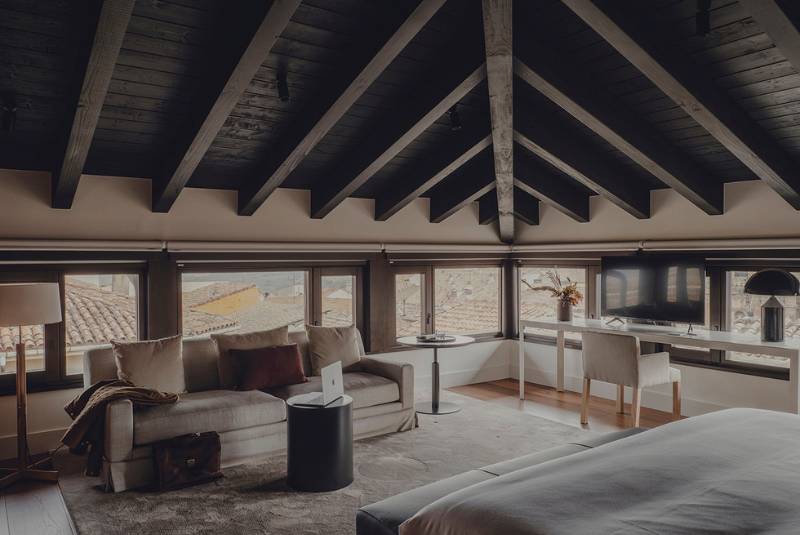
This charming boutique hotel with one Michelin key in the beautiful village of Briones has just 16 rooms, making it a tranquil spot to relax after a day of wine tasting. With a mix of modern furniture, period features and natural textures, the rooms are decorated in rich colours, with stunning views across the village, river or vineyards. The restaurant and wine bar, Allegar (the word means 'to scrape the plate clean' in local dialect), offers a Journey Through La Rioja through three menus: a prix-fixe; El Viaje Corto ('the short trip'); and El Viaje Largo ('the long trip'). Naturally there are plenty of bottles in the subterranean wine cellar from the region's best producers.
Dine at: Nublo or Los Caños – 11-minute drive from Vivanco 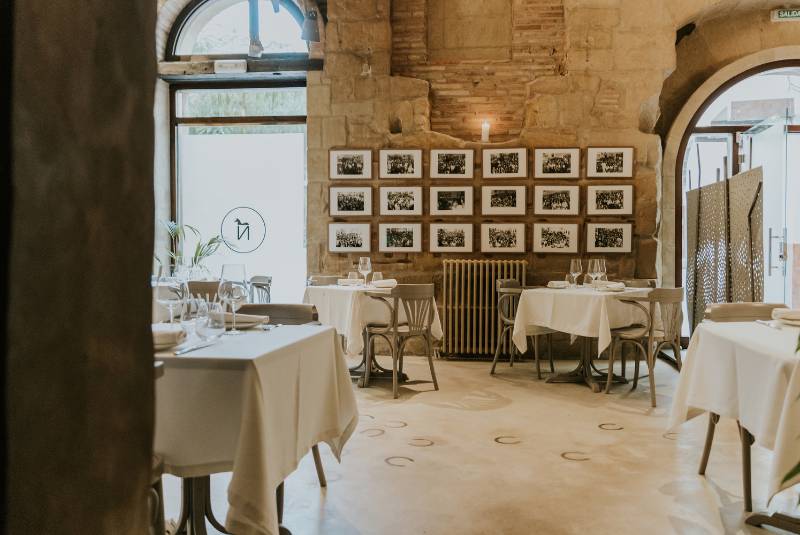
The Caño family is renowned in Haro. Established in 1930, Los Caños became a culinary icon in the city. Now under the guidance of third-generation chef, Miguel Caño, who previously worked at Mugaritz, the restaurant's focus is on local comfort dishes such as tuna with prawns and eggs, and garlic chicken. Adjacent to Los Caños in a 16th-century palatial house is Nublo, an intimate fine-dining restaurant with a focus on fire and smoke. The seasonal tasting menu changes daily to showcase the freshest ingredients from local producers.
Day two – Elciego and Laguardia
Visit, stay and dine at: Marques de Riscal (named The World's Best Vineyard 2024 and part of the Best of the Best hall of fame) 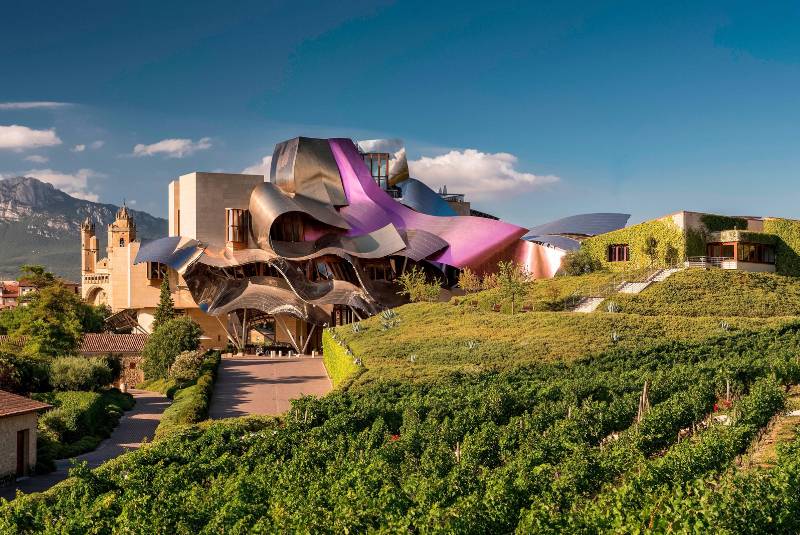
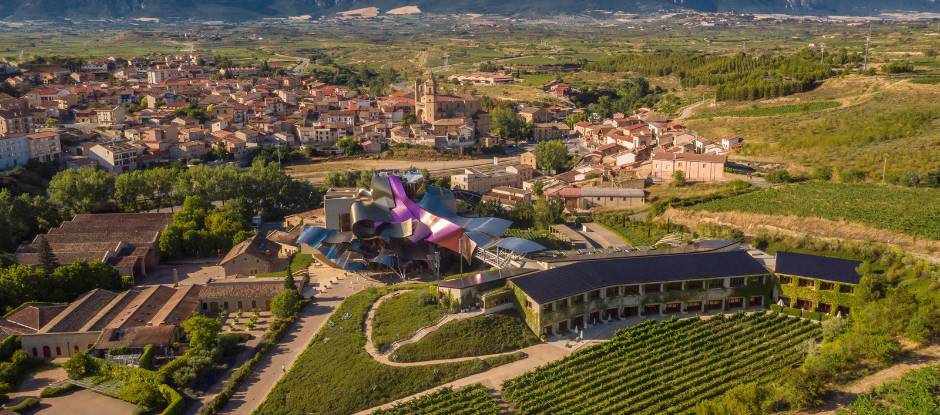
Arguably the most iconic structure in La Rioja, the Frank Gehry masterpiece that is Hotel Marqués de Riscal gleams in the Spanish sunlight as the twisted aluminium ribbons of purple, gold and silver mirror the wines and bottles found below.
Considerably older than the hotel (which opened in 2006), the vineyard was founded in 1858 and was where the first Rioja wines were bottled. It was also where the trend for covering bottles of Rioja in golden mesh began. You'll learn all that and more on the tour, which takes across the Plaza del Roloj ('Square of the Sun Dial'), home to the original bodega and cellars, the extended Bordeaux-style building added in 1883, and the vineyards.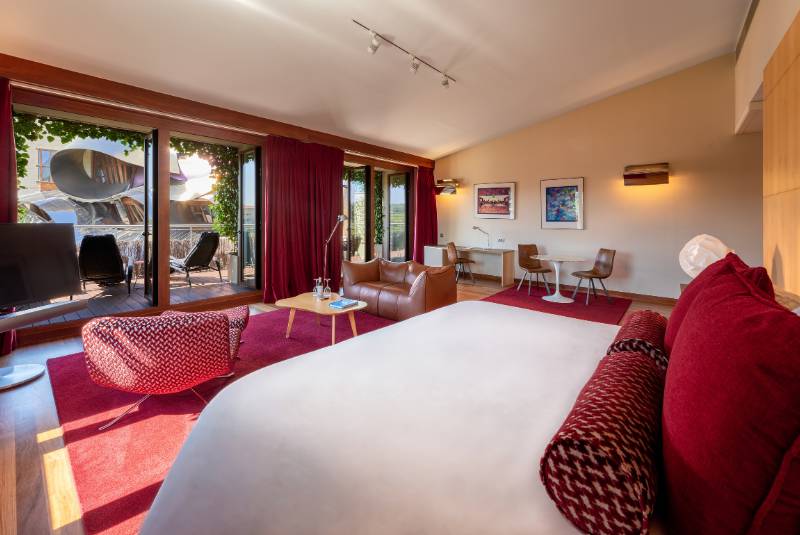
You can explore the vineyards on foot, bike or horse while staying at the hotel, which is part of the Marriott Luxury Collection. The 61 rooms (including 10 suites) are as intriguing inside as the building is outside, with zigzagged windows, high ceilings and bright colours throughout. There's local superstar chef Francis Paniego at the Michelin-starred fine-dining restaurant, a wine bar (as you'd expect) with some incredibly rare vintages, an al fresco grill and a Caudalie Vinothérapie spa.
Don't miss: Taking the 10-minute walk uphill from the centre of Elciego village to the Aires de San Roque panoramic viewpoint, from where you get a great view of Marques de Riscal, the Church of San Andrés and the Toloño mountain range.
Visit: Bodegas Ysios – 11-minute drive from Marques de Riscal 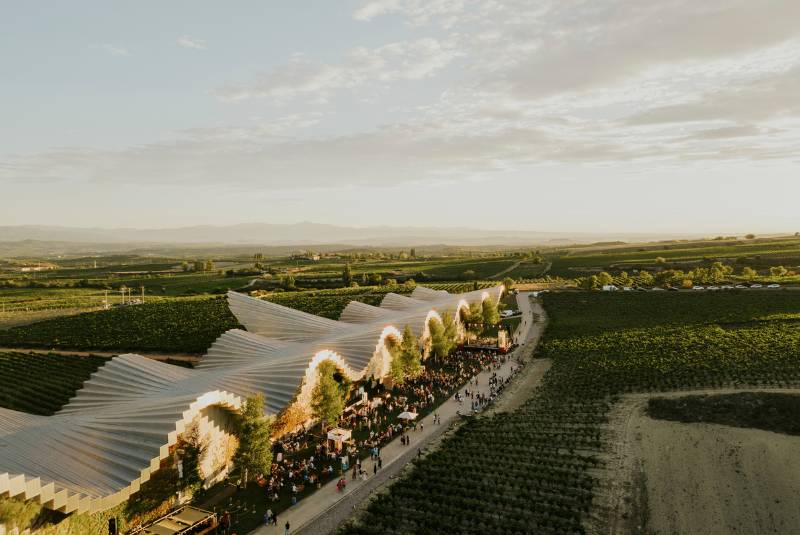
Day two is all about architecture. Bodegas Ysios takes its name from two Egyptian deities, Isis and Osiris. Osiris, the god of vegetation and agriculture, symbolises the vitality of the earth, while Isis represents the creative and fertile force of nature. This avant-garde boutique winery fuses Rioja's winemaking tradition with a revolutionary mindset. Designed by Valencian architect Santiago Calatrava, and inaugurated in 2001, its unmistakable design is an architectural landmark. The building stands out from afar with its shiny profile of metallic undulations that shimmer on the horizon, looking like the silhouette of a bird in flight.
Take the electric wine buggy and lose yourself in the vineyards, before continuing your journey in the barrel room, finishing in the Laguardia Lounge, the perfect place to enjoy a 360-degree tasting experience complemented by Iberian appetisers, with picturesque views of the Sierra de Cantabria mountains. There's a multitude of tasting and tour experiences, ranging from basic to comprehensive sessions that include older vintages and limited-edition wines.
Don't miss: Spotting that the central axis of the winery points directly at the church tower in Laguardia, in a perfectly straight line. It was intentionally designed that way by Calatrava.
Visit: Laguardia – 4-minute drive from Bodegas Ysios 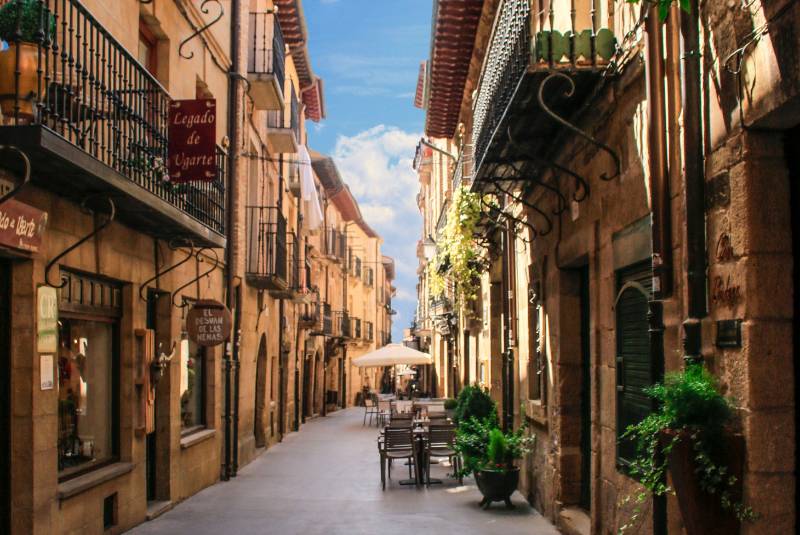
The striking medieval walled hilltop village of Laguardia with its cobbled streets and well-preserved fortifications is a lovely place to wander and get lost in. But not all the fun takes places on the surface, as underneath lies a maze of wineries, many of which you can visit.
Day three – Logroño
Drive to Logroño – 20-minute drive from Laguardia
Logroño is La Rioja's provincial and buzzing wine capital that was also named the Spanish Capital of Gastronomy in 2012. Basically, it's a place where people love to eat and drink. Head to Calle del Laurel and work your way down, grabbing a pintxo in every place (five or six should have you satiated). Many of the hundreds of bars in the city are renowned for a single speciality, so ask what you need to try.
Visit and dine at: Marqués de Murrieta (No.48 The World's 50 Best Vineyards 2025)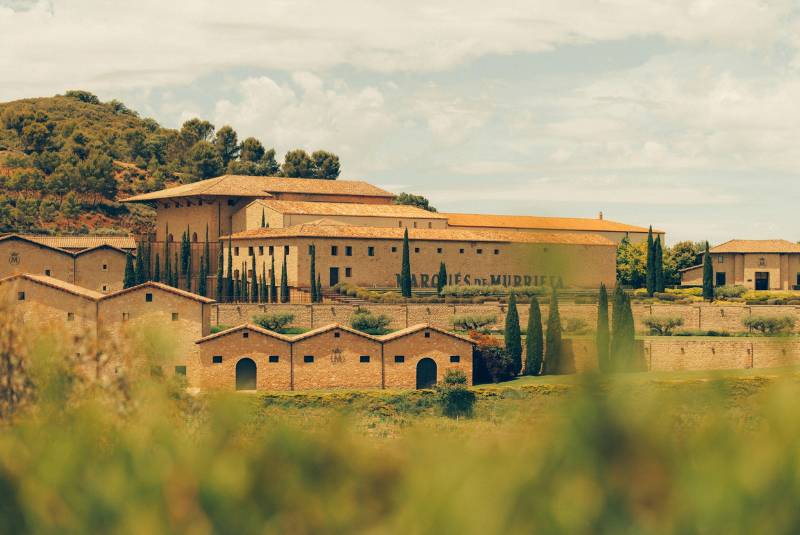
All experiences at Marqués de Murrieta begin with a tour of the vineyards – even if you arrive by helicopter or private jet to the 300-hectare estate – and continue with a guided visit through the new production unit and barrel room, followed by a trip to the renovated Castillo de Ygay (completed in 2014) to learn about the history of Rioja's first wines. Master stonemasons used more than 6,000 tonnes of stone for its reconstruction and it was declared a museum in 2019. Today it houses one of the largest collections of historic bottles in Europe, along with tasting rooms and gastronomic spaces.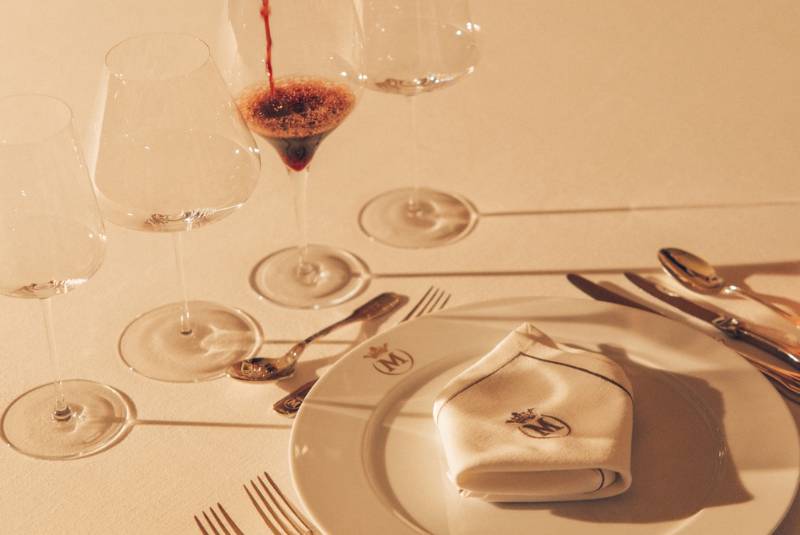
For lunch, retire to a private dining room. The 10-course tasting menu, which changes daily, is created by the estate's chef Miguel Narro (who worked with Francis Paniego) and is paired with an exclusive selection of five wines (including Gosset Grande Réserve champagne) chosen by head sommelier Roberto Ruiz de la Cuesta, who previously worked at three-Michelin-starred Martín Berasategui. Dishes might include Carabinero prawn infused with wine and grilled coral or roasted Sayaguesa sirloin over mazuelo grapevine shoots.
Don't miss: The opportunity to try a glass of the world-renowned Castillo Ygay – the gastronomic experience culminates with this – which has received the coveted 100 Parker Points on eight occasions.
Stay at: Áurea Palacio de Correos – 19-minute drive from Marqués de Murrieta
In the heart of Logroño, this stylish hotel set in a historic former post office has been thoughtfully designed, with nods to its past life throughout, including a collection of postcards from the 18th century. The 41 rooms are decorated with neutral tones, creating modern and welcoming spaces, with the post theme continuing through colourful stamp artworks. There's also a spa and sun-soaked terrace that's perfect for people watching while sipping something local.
How to get to La Rioja wine region 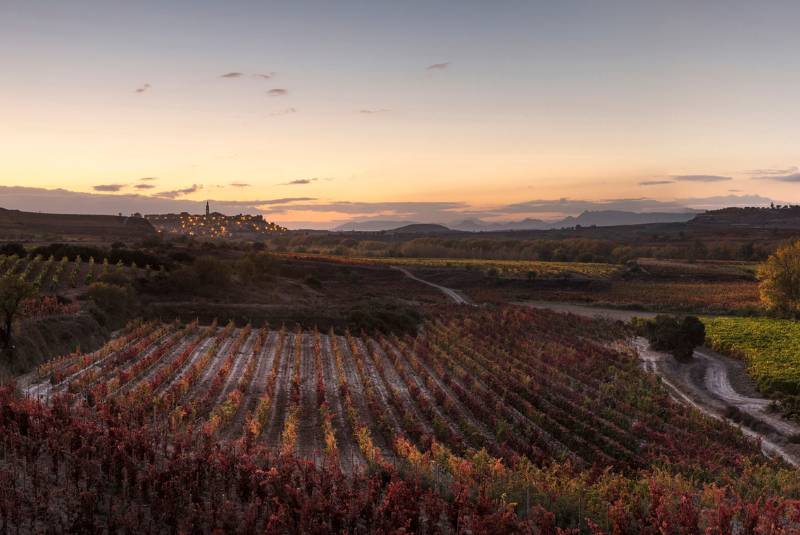
Fly into Bilbao airport and hire a car. If you have time, visit the iconic Guggenheim museum, designed by Frank Gehry and home to incredible world-class art and equally world-class food at Nerua Guggenheim Bilbao.
You're also only a 30-minute drive from the municipality of Atxondo. It's absolutely worth the trip to dine at the legendary Asador Etxebarri (No.2 on The World's 50 Best Restaurants 2025 list) and Txispa (No.85 on the extended list of The World's 50 Best Restaurants 2025), which are just a nine-minute walk from each other.
From Madrid or Barcelona, there are trains to Logroño which will take between three and four hours. From there you can either hire a car or book private transfers.
Do note that there's not a lot of public transportation in La Rioja and what there is doesn't run regularly, so you will need to think ahead, especially when booking vineyard visits.
Discover more fantastic restaurants, bars and hotels with The 50 Discovery, and start planning your next adventure.
Where to eat, drink and stay in La Rioja

Sign Up to Discover More
- Save top venues and articles
- Create and share your own lists
- Receive our weekly newsletter