
In partnership with the Croatian National Tourist Board
From grilled langoustines to čobanac stew simmered over a birch fire, these are the dishes local chefs call Croatia's best.
Kvarner langoustines
Stiven Vunić, chef-owner of Konoba Zijavica, Kvarner coast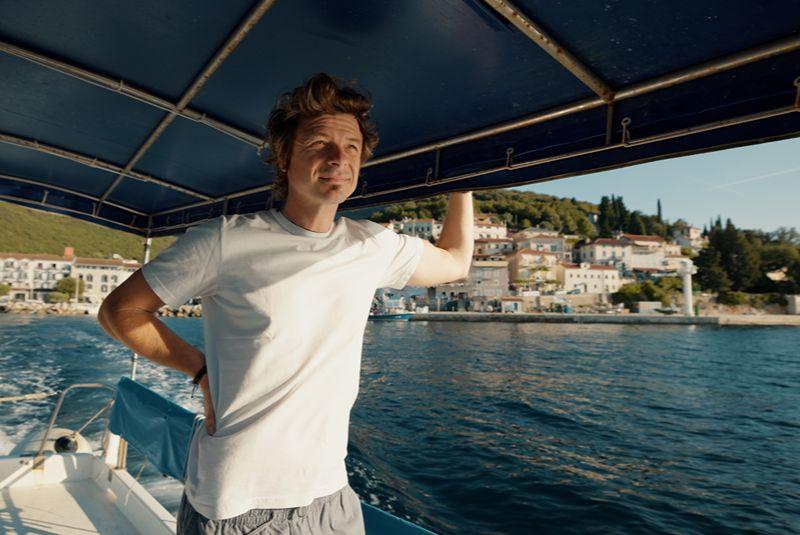
"I grew up catching langoustines with my father. He is a fisherman, so there were always plenty around, but we only ever had them on special occasions.
People love langoustines for their sweet, slightly saline and mineral flavour. You'll find them year-round, caught by fishermen lowering baskets onto the seabed, where they thrive in cool, shallow waters close to shore. I'm lucky at Konoba Zijavica for many reasons, but especially because we're right on the water – our langoustines often reach us just minutes after they're pulled from the sea, less than a mile away.
Around here, people tend to keep things simple, grilling and serving them with olive oil and garlic. They're also delicious raw as carpaccio, which brings out the natural sweetness of the meat. At the restaurant, I love experimenting with them, trying out different accompaniments, from classic hollandaise to the more surprising.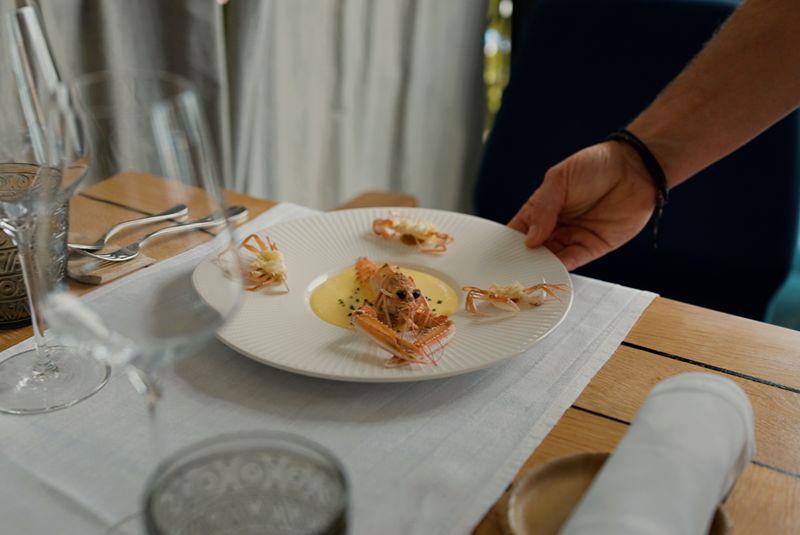
My grandmother's langoustine risotto is one dish I'll never mess with. At home, I only make it when we have people over for Christmas. Its flavour comes from a stock made from toasted langoustine shells, built out with shaved parmesan and large chunks of langoustine meat. The risotto gives off an incredible aroma as it cooks, brought out by the base of onion, white wine and garlic. It is my family's signature dish.
Kvarner langoustines have shaped how families cook here for years. The superb seafood on our coast has shifted local tastes away from the meat-heavy dishes people normally associate with the region. It's hard to say what makes our langoustines so unique: some say it's the flavour or texture, which comes from the clean waters in which they live. The cardinal rule is to never overcook. Watch your timing and the heat of the grill, then let their freshness do the rest. Try one, and you'll see what I mean."
Brudet
Ante Bojic, chef-owner of Konoba Adio Mare, Korčula Island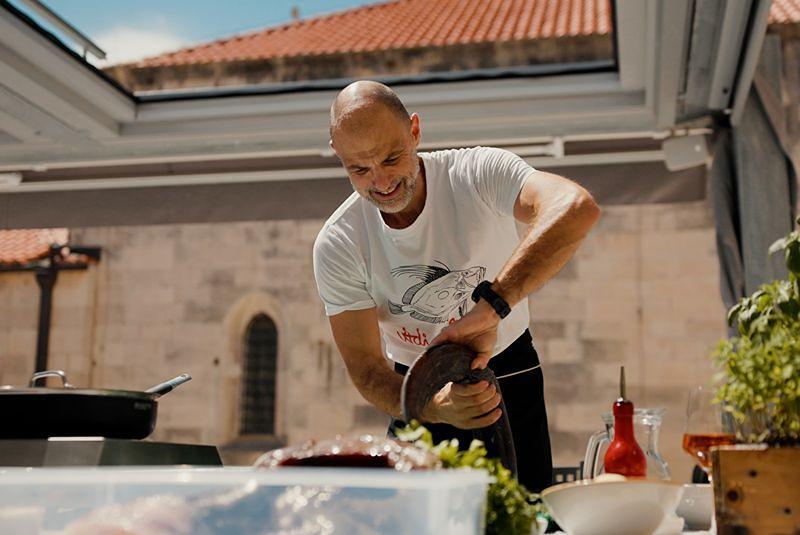
"My grandfather always said brudet was a result of resourceful thinking by people living along the Adriatic coast. It's a hearty seafood stew made with simple vegetables like onion and garlic: every Dalmatian family has their own version. My grandfather is a very good chef, and he taught me ours. At Konoba Adio Mare, we actually serve a fish soup starter that borrows its flavours from brudet.
There is no standard recipe, but a good brudet uses a high-quality mix of fish. I add scorpion fish, monkfish, grouper and most importantly, conger eel. The eel gives the stew character. As the fish is the star of the show, you want to go easy on the tomato base. At the same time, enough wine and vinegar needs to be added to bring out the umami. I use homemade red wine vinegar and regional Grk wine from vineyards just five kilometres from home. It's a heavy white wine that reminds me of orange wine. It's great for drinking and cooking.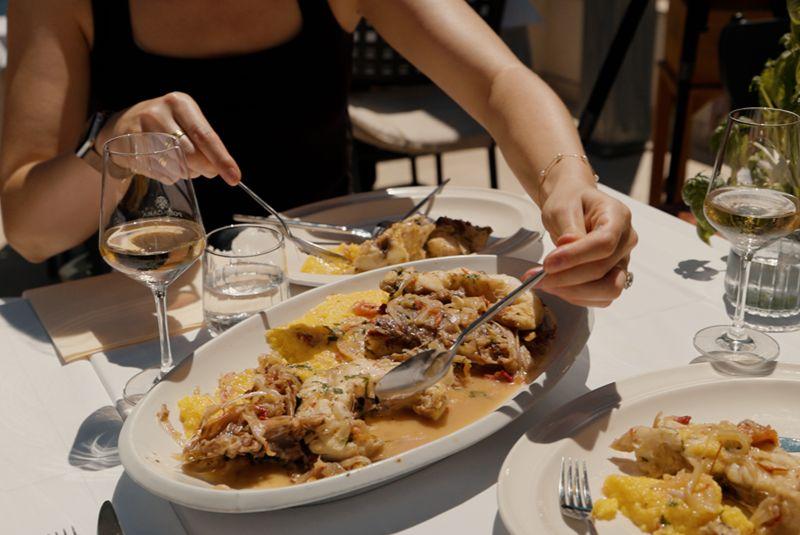
That's my way of making brudet, but there's also a delicious recipe down in the Neretva River valley, which adds eel and frog. My wife loves frog, and that region is full of them, so we always look forward to making the trip down for it.
There are many ways to make brudet, but there are also a few rules I never break. I never use sea bass or sea bream, as the garlic and tomato tends to overpower their delicate flavour. Technique matters too. Good quality onions need to be slowly sweated to bring out their sweetness before the fish goes in to simmer.
Brudet takes time, but it rewards patient chefs with lovely aromas along the way. There's the sweet scent of garlic when brudet is on the stove and the slight tang of the vinegar when you take the first sip. The best bit is at the very end, tearing off pieces of bread to mop up whatever's left in the pot."
Čobanac
Stanko Škrobo, chef-owner of Baranjska Kuća, Baranja region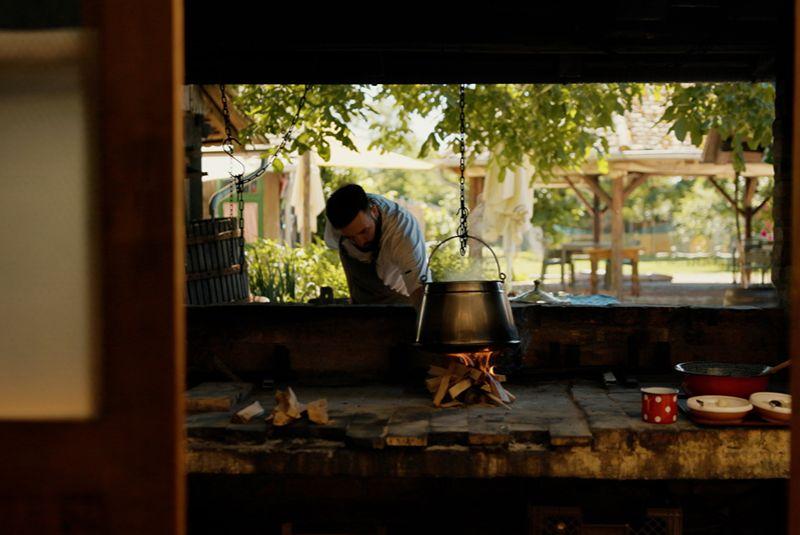
"Čobanac has been on the menu since day one at our restaurant, 23 years ago. We cook it the traditional way with a pot hanging over a wood fire, and it takes around three hours.
Čobanac literally means shepherd's stew – and it's easy to see why, when shepherds historically lived nomadically out in the fields, cooking with whatever the weather and livestock gave them that day. Time was precious, so making čobanac was a simple, hands-off meal and very little has changed. Even now, with new techniques and access to ingredients from around the world, we still cook it the way the shepherds did.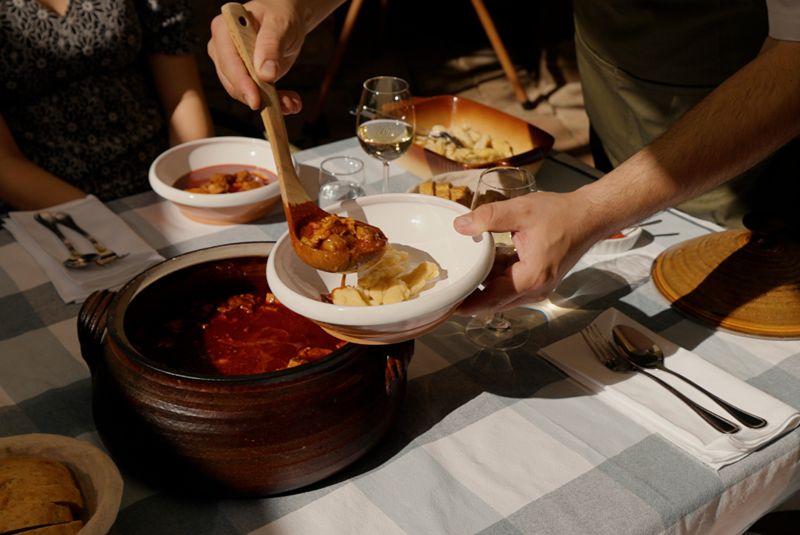
The key to good čobanac is to use the right base ingredients. Start with beef and pork, then add lamb, mutton or even deer or boar if they're available. I prefer to add beef shoulder, lamb shank and pork neck for flavour and texture. To thicken the stew, pork leg and beef tail can go in for their gelatine. Even the wood matters. We use birch because it holds hot embers well and adds a smoky flavour.
Never judge čobanac after trying just one version. Taste many different types and ask for the recipe once you've found one you love. The process of making čobanac isn't just about the food, it's also the act of gathering around the fire to drink and chat. The process of making it is practical too. It's cooked over coals, so making this stew also warms the house. Our recipe serves 10: the big moment is when the head of the house carries the pot to the table and everyone gathers round, as much to enjoy each other's company as the food."
Discover more fantastic restaurants, bars and hotels with The 50 Discovery, and start planning your next adventure.
