
World-class bars are crafting time-sensitive menus using ingredients sourced from their backyards. These five are doing remarkable things with what's available to them.
Bar Carmen, Medellín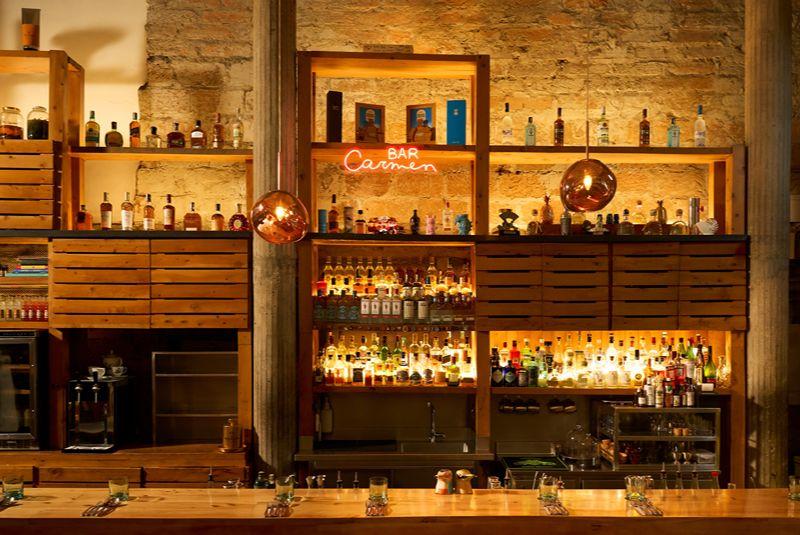
Set in Medellín's El Poblado neighbourhood, Bar Carmen's food and drink offering is inspired by Colombian culture, the country's biodiversity and seasonal rhythms. The menus change every three months, ensuring ingredients are distilled when at their best, and that circularity and locality remain key tenets. What has helped guide this approach is the bar's partnership with the Corazones y Fogones Foundation, which bridges Medellín bars and restaurants with growers in the surrounding regions. The bar uses every scrap of an ingredient, transforming them into syrups, ferments, infusions and garnishes. Take the Funky Town, which uses miso made from local arracacha tubers; or the Viajero, containing mezcal, titoté [a traditional coconut concentrate from Colombia's Caribbean coast], pineapple, spices and a hint of mandarin lemon.
Raa, Hiriketiya
A relatively new addition to Hiriketiya on Sri Lanka's southern shoreline, Raa is the country's first dedicated toddy [the fermented sap of coconut palms] and arrack bar, and sister bar to the award-winning Smoke & Bitters. Twice daily, toddy tappers scale the coconut palms swaying above to harvest their sap – a dying ancestral tradition, with only around 200 tappers left on the island. The surrounding neighbourhood serves as Raa's supply chain, with produce purchased directly from backyard farmers and village suppliers. There's a natural variability in the ingredients they source, and the team adapts accordingly. The menu may look the same throughout the year but there are subtle changes, expressed through fermented batches that evolve through the seasons. The kitchen is agile too, rejecting homogenised, shelf-stable ingredients and adapting to what their backyard suppliers can provide.
De Vie, Paris 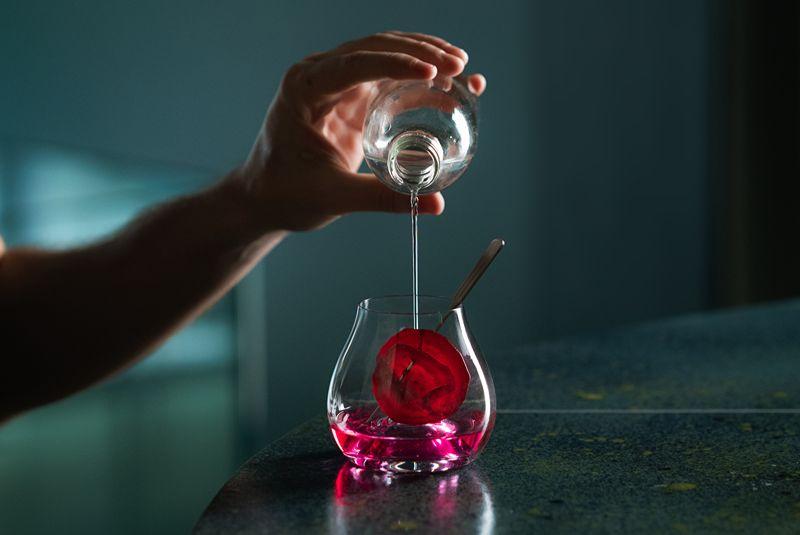
In the heart of the 2nd arrondissement, De Vie pays homage to French growers, spirit makers and artisan producers. Always choosing French over imported produce, De Vie's menus match the bounty of the seasons. The cocktail menu is concise with just 10 drinks, each named for the ingredient it is based on. Instead of relying on industrially produced grain spirits, the bar uses eaux de vie made from French beetroots, apples and grapes as the base for its homemade spirits and liqueurs, building a sense of place in every cocktail, and moving on once each ingredient has run out. Settle in for the five-step drinks tasting menu or drop in for a quick pick-me-up, such as the redcurrant mistelle with cryo concentrated rosé and Cointreau.
True Laurel, San Francisco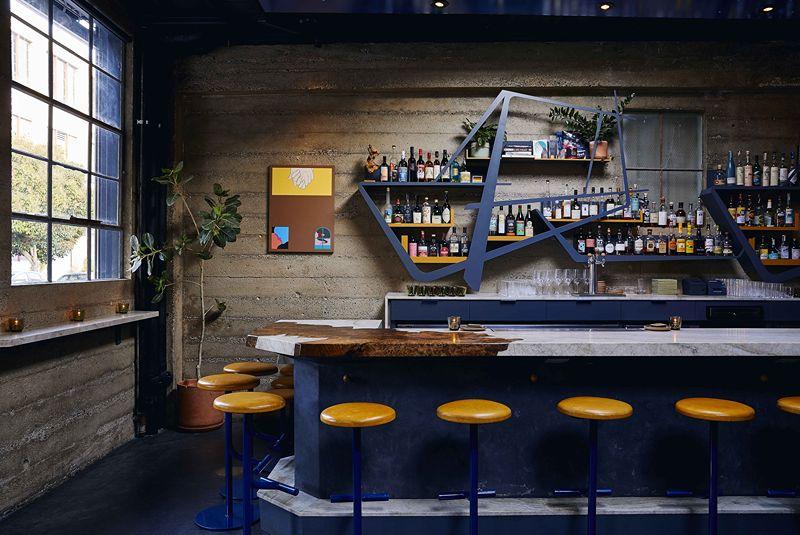
Set in the city's Mission District, True Laurel works with whatever ingredients are available, updating daily menus around what suppliers have in their haul. Across both food and drink, ingredients are sourced from Bay Area and Central Valley farmers, with whom the team has built long-term relationships, while other produce might come from backyard citrus trees or small community gardens. One such producer is Bardos Cider, which makes cider solely from apples tended in forgotten, otherwise-neglected orchards. In summer, stone fruits ride high on the menu: try the Apripo, which combines apricot wine, shochu, fortified wine, mastiha and apricot kernel oil. For something stronger, plump for the Duchess Plummybuns, combining single malt Japanese whisky, heirloom Santa Rosa plums, purple shiso and vermouth.
Dunlin, Innsbruck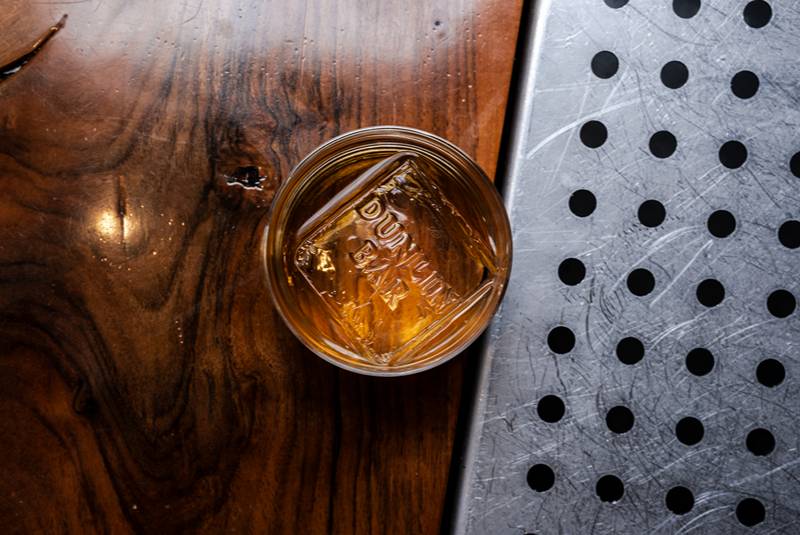
Dunlin is all about fermentation, using in-season ingredients to craft fruit-based wines, vermouth and bitters. These house-made products are the backbone of the menu, and the team works closely with local farmers to make the most of the Austrian Tyrol's harvests. Dunlin also buys misshapen – but otherwise perfectly good – fruit that aren't accepted by supermarkets. And because fermentation takes time, every cocktail serves as a miniature time capsule, transporting guests back a month or two to when the ingredients were at their peak. The menu is organised by type of fruit, with a selection of cocktails, mocktails and fruit wines for each: for instance, an autumnal visit will take you back to summer, with drinks centred around strawberries, peaches and mangoes. For a stiff but delicious blend, order the Erdbeer Contessa – a negroni twist that uses strawberry wine, Aperol, gin and Aperol meringue.
In partnership with The Sustainable Restaurant Association, The 50 is proud to highlight bars championing sustainable practices in hospitality.
Find out more about sustainably-minded venues within The 50.
Hyperlocal and time-sensitive: the bars basing their menus on what’s in season
.jpg)

Sign Up to Discover More
- Save top venues and articles
- Create and share your own lists
- Receive our weekly newsletter