
From ancient grains and high-altitude corn to prized chilli peppers, these ingredients represent the best of Peruvian produce.
The sharp rise of Peru's position as a dining destination can be attributed as much to the country's extraordinary natural larder as its ambitious chefs. Flanked by the Andes, where thousands of potato varieties grow, and the Amazon's lush canopy, rolling out to a Pacific coast that is among the richest fishing grounds on earth, few countries pack such a range of ecosystems into its culinary culture.
That bounty has been shaped by centuries of migration. Indigenous traditions met Spanish, African, Chinese and Japanese influences, giving rise to chifa and Nikkei cooking, where Japanese technique and Peruvian produce go hand-in-hand.
Working directly with farmers, fishers and foragers, Peruvian chefs such as Pia León and Juan Luis Martínez are bringing a new perspective to both beloved and little-known native ingredients, from quinoa to sun-ripened ají amarillo and cacao grown in the high jungle.
Discover eight ingredients that define Peru's food culture and the restaurants where you can taste them at their very best.
Ají amarillo
Maido, Lima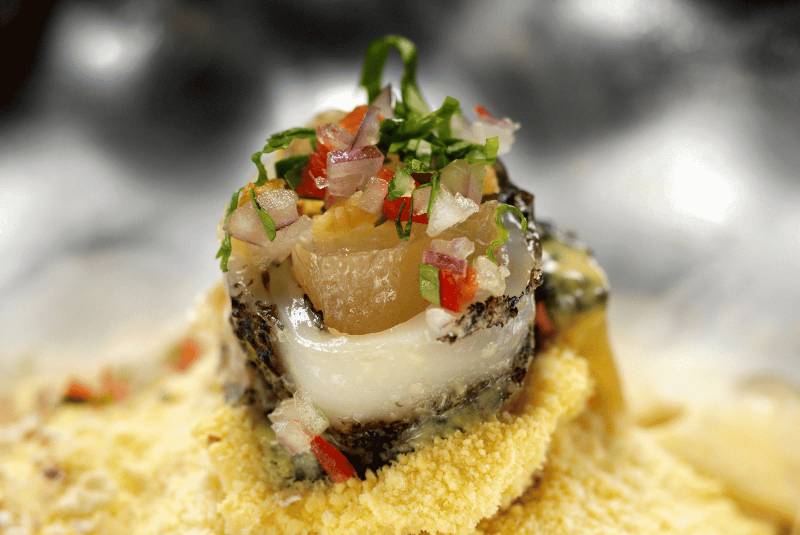
Bright orange with a fruity, pepper-hot flavour, Ají amarillo is a chilli that's central to Peruvian dishes. It's also a central part of Maido's distinctive take on Nikkei, featuring in dishes across the menu. Chef Mitsuharu Tsumura creates his own ají amarillo sauce, most recognisably used in his cebiche de lapas (limpet ceviche), which first featured on the menu in 2013. Using liquid nitrogen, Tsumura turned the ají amarillo into a fine powder, sprinkled over the ceviche at the table. Cebiche de lapas is no longer on the tasting menu, but there's a full-sized version on the a la carte called Cebiche Sansei. His signature sauce is also available in supermarkets under the MT Sauce brand.
Cacao
Mil, Moray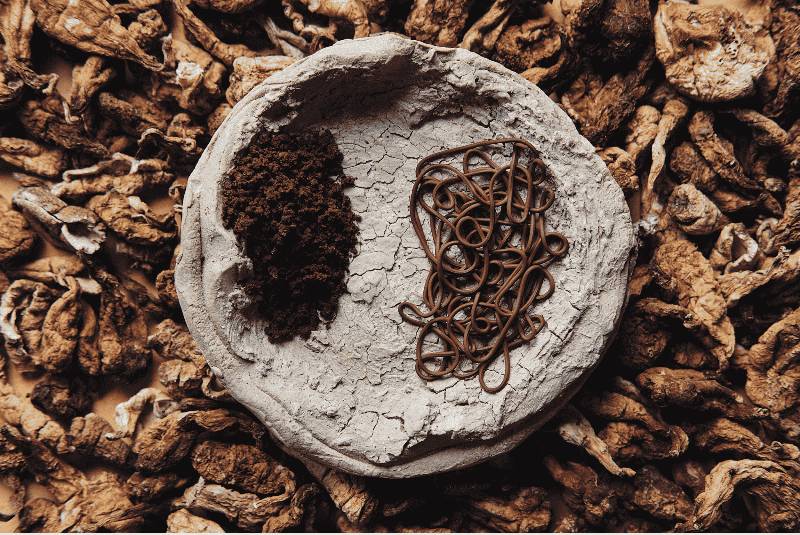
Mil, a restaurant located a mighty 3,600 metres above sea level close to the mysterious Incan ruins at Moray in the Sacred Valley, is also home to a number of agricultural research projects, including Flavour Lab Cacao. The lab team researches chuncho cacao, a species that grows wild at 1,050 metres above sea level in Quillabamba in the ceja de selva (high jungle) of Cusco. Theobroma, a dessert on Mil's tasting menu, uses every part of the cacao, presenting it in different forms and textures. The 72 per cent chuncho chocolate becomes a moist dough, the mucilage becomes a foam, the husks become an infusion, and the nibs are candied. Even the pod's outer shell is a part of the dish.
Corn
Central, Lima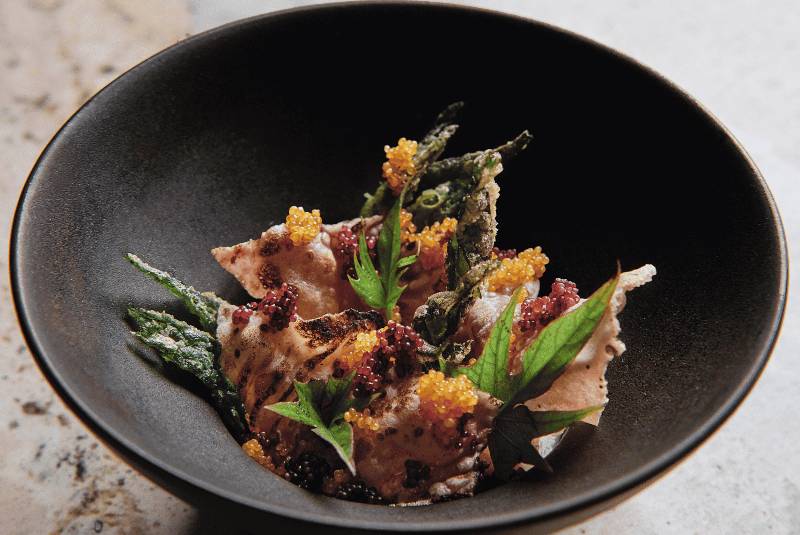
Named The World's Best Restaurant 2023, Central's menu guides diners through myriad Peruvian ecosystems, categorised by altitude – from below sea level in the Pacific Ocean to the high peaks of the Andes. Each dish reflects the origin of its ingredients, with Extreme Altitude representing elements from 4,200 meters above sea level. Corn, of which Peru boasts more than 50 varieties, is the focus. The dish is built around four varieties of corn and kiwicha (also known as amaranth), a native Andean pseudo-grain (a seed cooked and eaten like a grain), with the corn worked into six different textures. The husks are also used by being toasted and infused in cold water, giving the kiwicha its golden colour.
Corvina
La Mar, Lima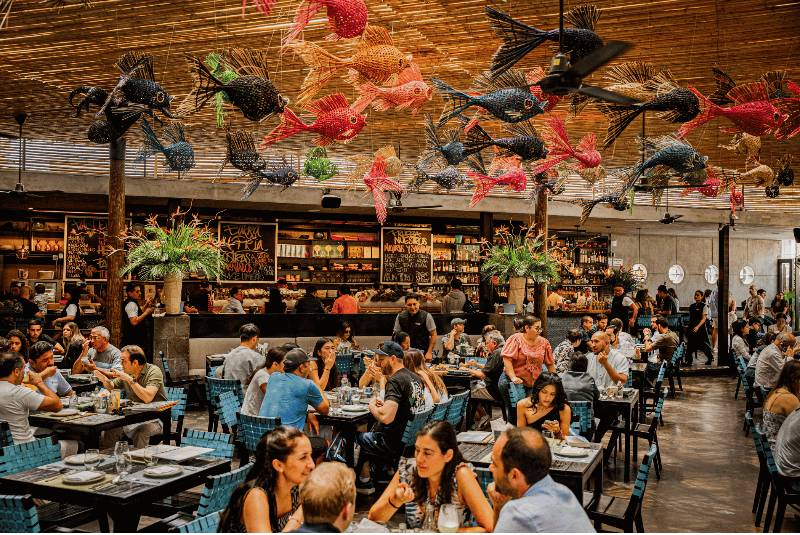
Referring to a group of white fish species commonly used in ceviche, corvina is caught in Peru's Pacific waters. The flesh is lean and firm, holding its shape when marinated in citrus. One of Lima's most beloved seafood restaurants, La Mar, is an expert in the sourcing, preparation and flavour of corvina. Founded by Acurio and trusted to head chef Anthony Vásquez, La Mar offers some 10 ceviches, alongside other expressions of the Pacific Ocean featuring the fish. Corvina even features in the restaurant's super-fresh sashimi selection.
Huacatay
Mérito, Lima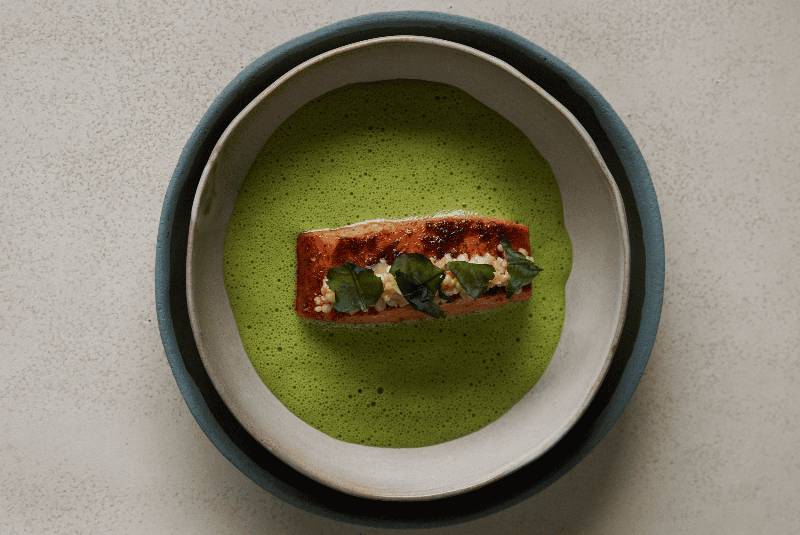
Huacatay is an aromatic herb native to the Andes, often called Peruvian black mint. It's intensely fragrant and herbal, with a flavour similar to mint, basil, tarragon and citrus. Green, fresh and distinctive, it's used in sauces, marinades and soups in traditional Peruvian cooking. At Mérito, chef Juan Luis Martínez uses huacatay across his Peruvian-Venezuelan menu, pairing it with Amazonian trout, fish tartare, green tomato and cheese, or corn and river prawns, depending on the season.
Leche de tigre
Astrid y Gastón, Lima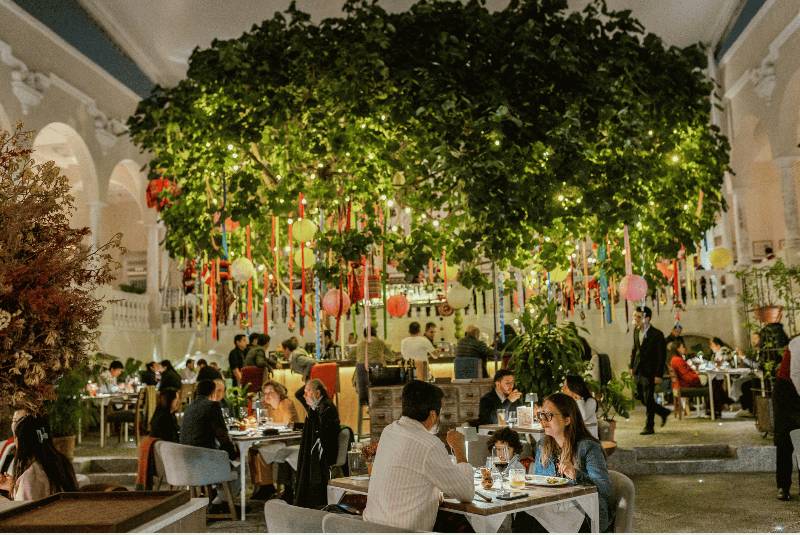
Made from the tangy, citrus-based marinade used to cure fish for ceviche, leche de tigre is an ingredient commonly found in restaurants across the country. Once the white fish has been marinated in lime juice, aromatics, chilli and coriander, the leftover marinate with accompanying fish trimmings is then typically blended to create this distinctive 'milk.' Leche de tigre is central to many of the dishes at Astrid y Gastón, opened in 1994 by chef Gastón Acurio and his wife, Astrid. The restaurant was the driving force behind Peruvian cuisine's global explosion and still features dishes including Leches de Tigre del Amor on its tasting menu.
Potatoes
Kjolle, Lima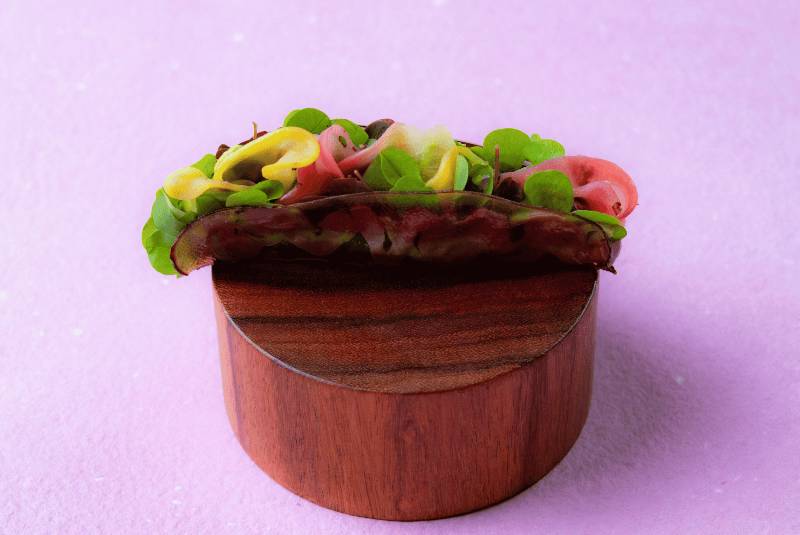
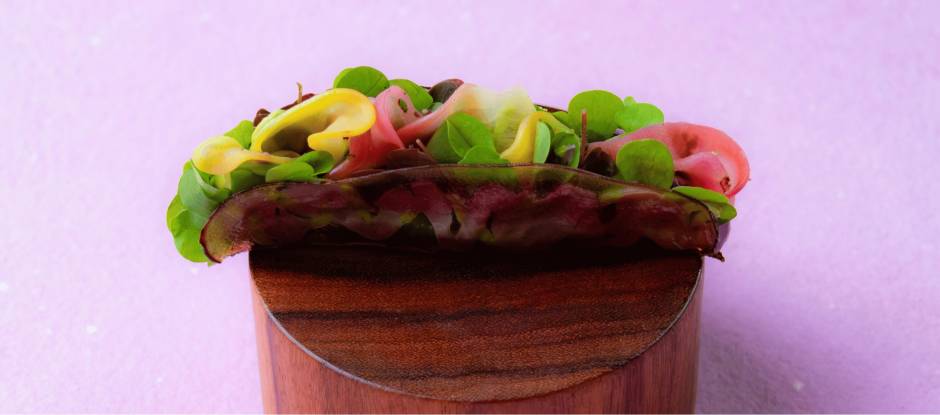
Arguably Kjolle's most iconic dish, Many Tubers celebrates the diversity of tubers and roots from different regions of Peru. The dish features red and yellow olluco from Huánuco, cacho de toro and sangre de toro (blood of the bull) potatoes, purple sachapapa from the Amazon, and yellow and purple mashua, oca, yacón and yuca. Kjolle works with sister restaurant Mil's agricultural research centre, Chacra, to source many of these ingredients, working closely with local communities. The purple sachapapa is sourced from the Amazon, through Mater's (Mil's most well-known research organisation) work with the Shawi communities in Loreto, where the project focuses on recovering and preserving traditional Amazonian roots, tubers and rhizomes.
Quinoa
Cosme, Lima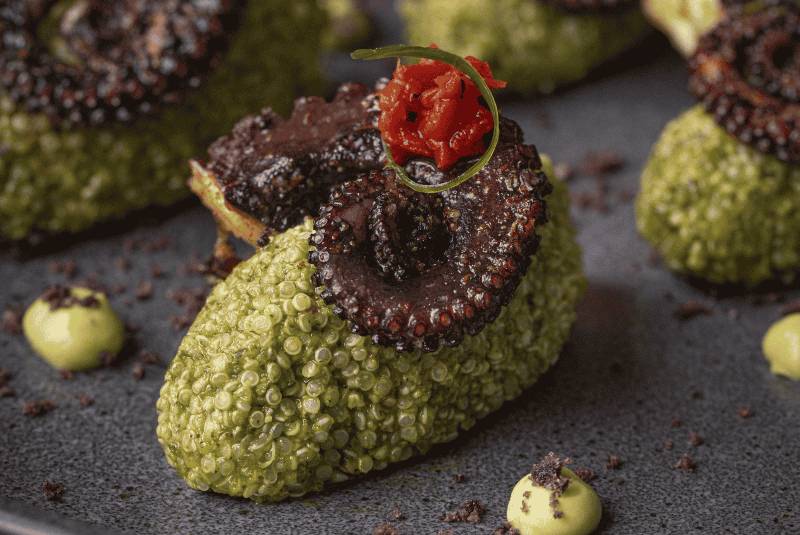
Known as chisiya mama (mother grain) by Incan societies, quinoa has been cultivated in Peru for thousands of years. Typically grown at high altitude, there are many varieties grown around Puno near Lake Titicaca, and in Cusco, Junín and Ayacucho, with the Peruvian government and research facilities contributing to preserving the grain's diversity. At Cosme, where chef James Berckemeyer takes a contemporary approach to Peruvian cuisine, quinoa is used widely. His Pulpo Sellado features the grain with pesto, avocado, black olive and octopus, sourcing the restaurant's quinoa from small-scale farmers in the northern highlands of La Libertad and in Ayacucho.
The list of The 50 Best Restaurants 2026 will be revealed on 4 November from Lima, Peru. Discover the restaurants featured on 2025's ranking before the latest edition is unveiled.
8 ingredients that define Peru’s dining scene – and where to eat them

Sign Up to Discover More
- Save top venues and articles
- Create and share your own lists
- Receive our weekly newsletter