
yes From salt- and honey-kissed whites grown by the sea to plush reds from clay-rich terroir, Italy's largest island is worth the trip.
Sicily's place in Italian viticulture has long been taken for granted. For decades, the island contributed to the EU's wine lake, producing vast quantities of surplus wine. All the while, much of its output was sold to northern blenders, often without receiving recognition on the label. Despite its scale, Sicily's viticultural strength is underpinned by an illustrious legacy.
Though the sun-drenched island has been making wine for more than 6,000 years, the rise of cooperatives in the 1960s shifted the focus towards high-volume bulk production. According to Italy's Regional Institute of Wine and Oil, it's home to the country's second-largest vineyard area, accounting for around 14 per cent of the national total in 2024.
Today, the region's reputation for quantity is shifting towards quality. A new generation of growers has pushed for lower yields, terroir-driven single varietals and native grapes. By rediscovering old vines and planting new sites, its top vineyards are showcasing the best of the island's diverse microclimates.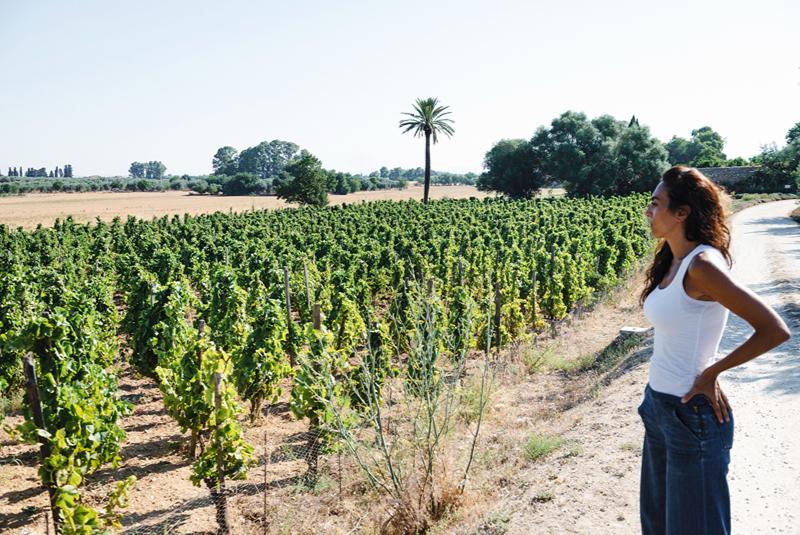
Winemaker Arianna Occhipinti began her vineyard with one hectare of abandoned vines in the Contrada Fossa di Lupo
Organic vineyards now cover around 34 per cent of Sicily's vineyard area and account for roughly 27 per cent of Italy's certified organic vineyards. The island's success stems from both a strong commitment to sustainable viticulture and a Mediterranean climate whose cooling coastal breezes naturally limit disease pressure, reducing reliance on chemical treatments.
The establishment of the Sicilia DOC in 2011 to signal quality and innovation marked a turning point for the island's wine industry. There are more than 500 wineries producing Sicilia DOC wines, with a combined output of more than 80 million bottles in 2025.
Selected by leading wine professionals for the World's Best Sommeliers' Selection 2026, these five Sicilian wines showcase the diversity, character and ambition that define the region today.
Viabizzunoagricola Donnacricri 2023
Made from 100 per cent grillo grapes, this white comes from limestone soils by the sea in Vendicari, a nature reserve in southeastern Sicily. The estate is a small, design-led project linked to Italian lighting studio Viabizzuno, farming organically with a light-touch approach in the cellar. Expect ripe white peach, pear, nectarine and apricot, with delicate herbal and white flower notes. With a hint of minerality, this bottle surprises with its saltiness and a slightly oily texture. It pairs well with fresh seafood dishes including lobster pasta, razor clam ceviche or grilled sea bass.
Arianna Occhipinti SM 2023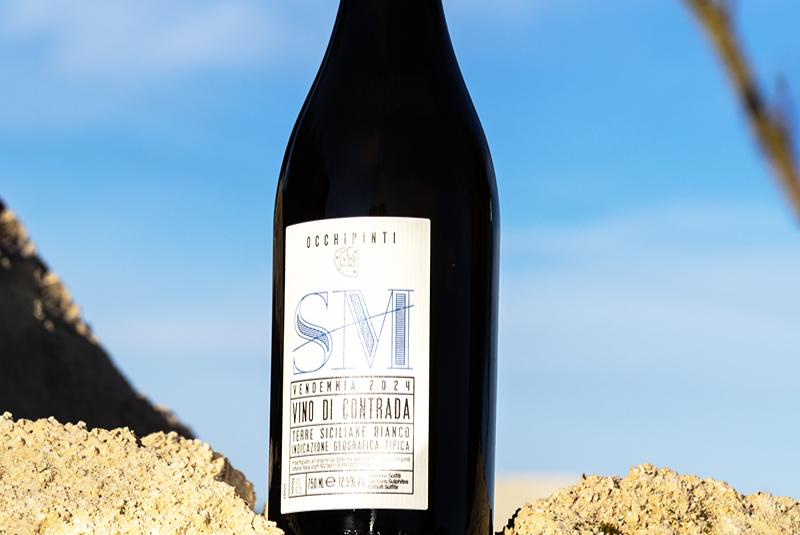
The 2023 Arianna Occhipinti SM is a white wine made through spontaneous fermentation in concrete
Arianna Occhipinti has become one of the defining voices of minimal-intervention winemaking since founding her winery at the tender age of 22 in 2004. The 2023 vintage of SM is also made entirely from grillo grapes grown on old-vine parcels on the limestone Ibleo plateau near Vittoria. The dry white has ripe pear, peach, apricot and mango notes, bolstered by chamomile and honeysuckle on the palate. The finish is sweet-savoury; this bottle packs plenty of flavour despite being low in alcohol. Prawns are the obvious match, whether grilled with a romesco marinade or stewed in a spicy curry.
Arianna Occhipinti Il Frappato 2023
Frappato is a labour of love for Occhipinti. Fermented in concrete and macerated for 30 to 40 days before being bottled with minimal filtration and low sulphur additions, the result is a gloriously fresh, juicy red. Crushed strawberries, raspberries and cranberries shine with a touch of white pepper, Mediterranean herbs and cherry blossom. With delicate tannins and a big personality, this is a very drinkable bottle. Pair it with roast poultry and game: guinea fowl with pickled truffle, poussin under a raspberry glaze or rabbit and root vegetables.
Arianna Occhipinti Grotte Alte, Cerasuolo di Vittoria 2021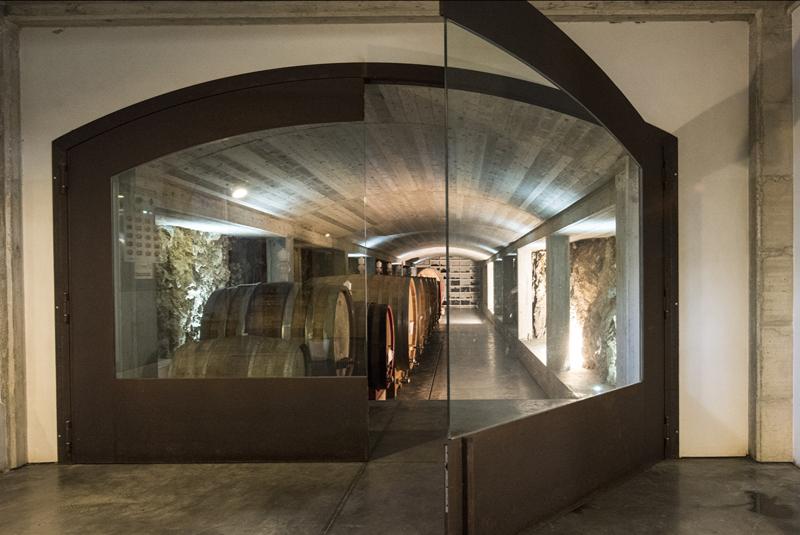
The barrels used by Arianna Occhipinti are older and lightly toasted, if at all, to minimise the influence of oak
Sicily's only DOCG appellation produces wines that blend frappato for lift and nero d'avola for depth. Occhipinti's flagship version uses a 50-50 split of the two grapes, both sourced from older vines on the Ibleo plateau. After fermentation with native yeasts in concrete and gentle ageing in large, neutral Slavonian oak, the wine is both bright and elegant. Sour cherries, wild strawberries, pomegranate and a hint of blood orange lead with acidity into a long savoury finish. Its fruit-forward profile goes well with grilled pork sausages and fennel salami, as well as sherried mushrooms on sourdough.
Feudo Arancio Hedonis 2022
For a rich, spice-led pour, turn to this nero d'avola from clay-rich vineyards in Sambuca towards the west of Sicily. To capture the grape in its purest form, the winemaking blends two approaches: one part is fermented conventionally and aged for 18 to 20 months in new French and American oak, while the rest is dried for 40 to 45 days before fermentation to add depth. The final blend brings notes of black plum and spiced cherry layered with black olive and fennel seed. Pair it with tomato-based meat dishes, such as a simple bucatini all'amatriciana or spicy pork meatballs with aged ricotta.
Discover the full list of wines that make up the World's Best Sommelier Selection 2026.
Sicily’s wine renaissance has arrived – these 5 bottles prove it


Sign Up to Discover More
- Save top venues and articles
- Create and share your own lists
- Receive our weekly newsletter