
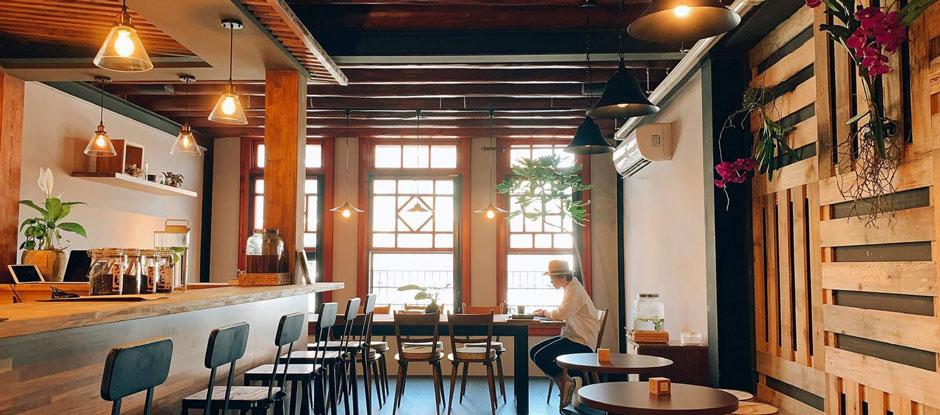
Ranked No.82 on the extended list of Asia's 50 Best Bars 2026, Bar Mood's founder Nick Wu shares his favourite haunts in a city that barely sleeps.
Between neon-lit night markets and cloud-tickling skyscrapers, Taipei's appeal lies in its contrasts. A few days' visit can easily take in centuries-old tea culture, cutting-edge cocktail bars, family-run noodle shacks and ambitious fine dining. And when sensory overload hits, Taiwan's hot springs, hiking trails and surfing hotspots are all within easy reach.
"You have to give it a little time. Walk into the smaller streets. Visit a market. Eat something unfamiliar. Talk to the person behind the bar. When you slow down, the city begins to reveal itself to you," says Bar Mood owner Nick Wu, who's spent the last 27 years championing his vision of mixology in Taipei. Growing up in Nantou – a region famed for the oolong tea his grandparents farmed – has given him a deep appreciation for Taiwan's unique terroir.
His cocktail den's Chinese name, 沐, combines the characters for water and wood – a neat shorthand for Wu's fascination with the bounty of this island – while "Mood" reflects his belief that a good bar should respond to how a guest feels.
Here, Wu shares the Taipei he knows best, from night-market snacks to a seriously good cup of tea.
How has Taiwanese cuisine influenced you?
I love the way time is used to create flavour here. Braising, pickling, curing, drying and fermentation are all important. That idea influences my cocktails as well. I often ask myself how we can translate the way we eat into the way we drink. I love exploring how local ingredients like kaoliang liquor, which can be expressed in modern cocktails. It's made from sorghum using traditional fermentation and distillation techniques, with a distinctive aroma, powerful character and strong connection to the island of Kinmen.
Where would you take a first-time visitor?
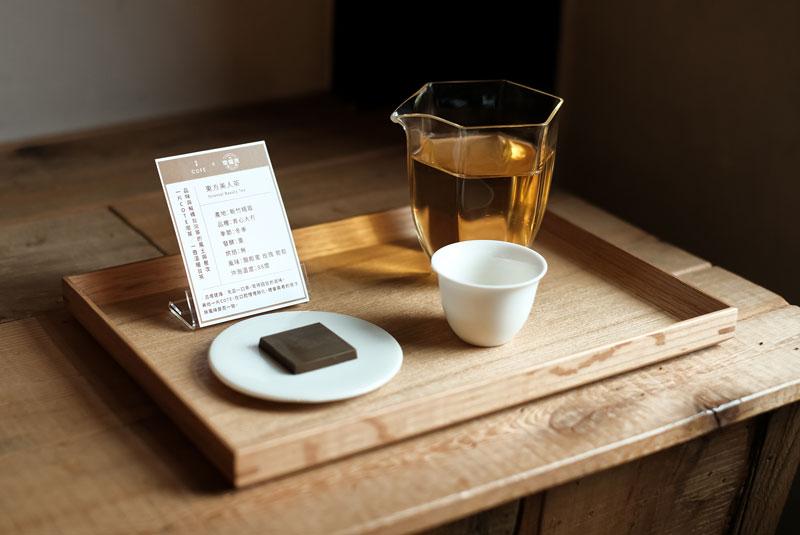
Cofe's ChaChoco chocolate bars replace cocoa solids with locally grown Taiwanese teas blended with cocoa butter and cane sugar
Dadaocheng is one of my favourite historic neighbourhoods in Taipei. You can still find beautiful old buildings, traditional shops, tea merchants, Chinese herbal stores and dried goods markets, alongside a new generation of creative spaces. I love that mix of old and new. Cofe is a unique café offering chocolates inspired by Taiwanese teas, each bringing its own aroma and character.
Bubble tea mania is sweeping the world – where's best in Taipei for the real thing?
Chun Shui Tang claims to have invented bubble tea, but I don't know if that's true! The Huashan branch is like a small restaurant, so you can try bubble milk tea, noodles and other snacks. It's a great place to experience how traditional Taiwanese tea culture has evolved into part of modern everyday life.
And for a deeper dive into the local tea culture?
It's worth taking a short trip to The Pinglin Tea Museum, in New Taipei City, to learn about traditional tea-making techniques, different tea varieties and tea culture. I also recommend exploring Pinglin Old Street nearby, where local shops incorporate tea into snacks, desserts and even savoury dishes. One place worth trying is Xingfu Xiaoguan, where I especially like the thin noodles with tea seed oil. It's a very simple dish, but the distinctive aroma of tea seed oil gives it a unique local character.
Where would you book for a local feast?
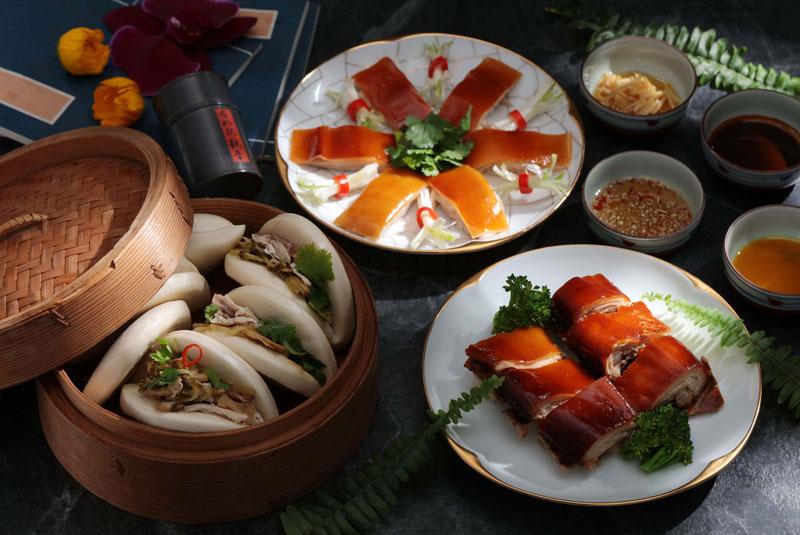
Mountain and Sea House Restaurant serves Taiwanese pork belly buns as part of its multi-course signature roast suckling pig three-way dish
Mountain and Sea House goes beyond everyday Taiwanese food, preserving traditional banquet dishes and labour-intensive cooking techniques while highlighting local Taiwanese ingredients. It's a great spot to discover the history, ingredients, craftsmanship and more refined side of Taiwanese cuisine.
Which iconic Taiwanese dish would you recommend?
One of my favourites is the beef noodle soup at the Regent Taipei's Lobby lounge. The braised version is richer and more robust, with layers of soy sauce and spices, while the clear broth version is lighter and lets you appreciate the natural sweetness and flavour of the beef – two very different sides of this classic dish.
Somewhere to impress a date?
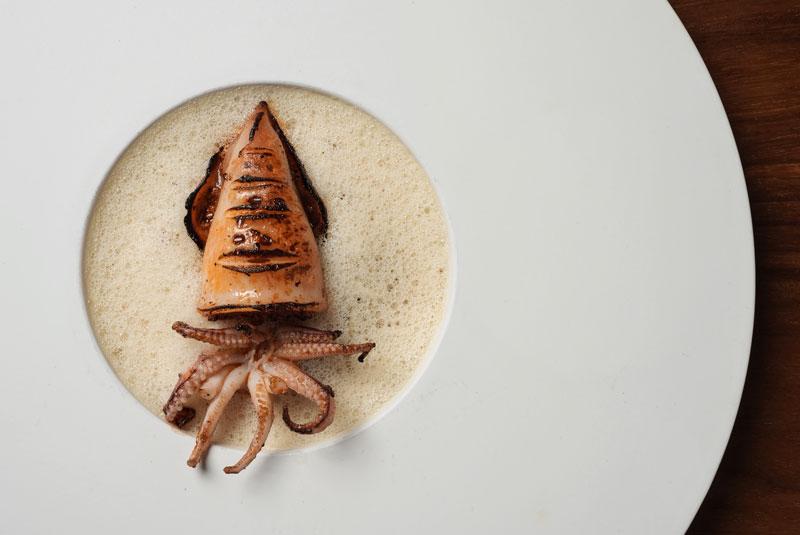
Mume's locally-caught squid paired with Penghu XO sauce and water bamboo
What I like about Mume is that it doesn't try to present Taiwanese flavours in a traditional way. Instead, it expresses Taiwan's ingredients and terroir through a more contemporary and international perspective. It's a great place to experience what modern Taipei dining is about.
Which night market stands out for you?
Raohe Night Market is very compact and easy to explore. I have one important rule: don't go alone. Not because it's dangerous: your stomach just isn't big enough. Three or four people is perfect. Buy one portion from each stall and share everything. I love going there for pepper pork buns and a bowl of Chen Tung Pork Ribs Medicinal Herbs Soup. It's one of my favourite night-market combinations, especially on a cold winter evening. The pepper buns from Fuzhou Shizu are best when they're fresh from the oven, with a crispy crust and juicy pork filling.
What's your go-to 2am snack?
I really like Fu Te Cold Noodle on Xing'an Street, especially their cold noodles with shredded pork and pickled mustard greens. The noodles are coated in a rich sesame sauce, while the pickled mustard greens add a savoury, slightly crunchy contrast. I always pair it with a classic Taiwanese three-in-one miso soup, made with miso, egg drop and Taiwanese pork meatballs. For me, it's such a classic Taipei combination – simple, comforting, and very Taiwanese.
Your top spot for a dumpling fix?
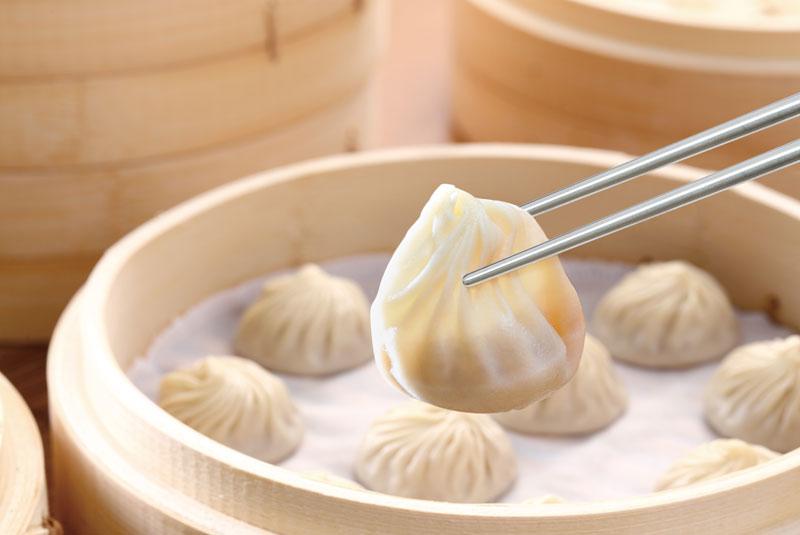
Din Tai Fung's soup dumplings are wrapped with a minimum of 18 folds
Xiao long baos look very simple, but the quality and flavour of each ingredient is very important. At Din Tai Fung, there is a natural sweetness and richness to the pork that works beautifully with the broth inside the dumpling. The wrapper, folds, steaming time, temperature and service are all handled with incredible precision. So even if you've eaten at Din Tai Fung elsewhere in the world, I would still try it here in Taipei – it's a classic for a reason.
What's one dish you shouldn't leave Taipei without trying?
Deep fried pork ribs, slowly simmered in broth with daikon radish, garlic and white pepper. As they cook, the crispy coating absorbs the broth and becomes soft and tender, while releasing the rich roasted and fried aromas of the pork into the soup. Fengyuan Miaodong Qingshui Pork Rib Noodles makes a version that comes pretty close to the original from Taichung.
Discover more fantastic restaurants, bars and hotels with The 50 Discovery, and start planning your next adventure.
