
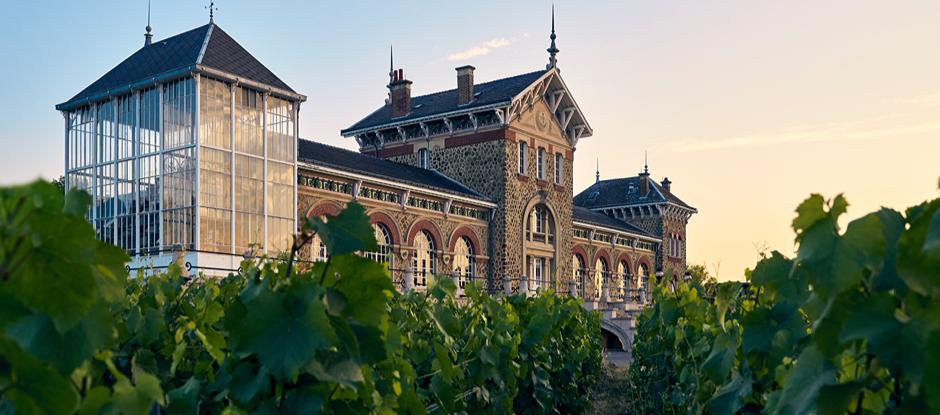
From Taittinger to Bollinger, explore the region's finest purveyors of fizz.
For a drink so synonymous with the finer things in life, champagne makes remarkably little noise about its Grand Crus. While the reputations of Bordeaux and Burgundy vintages have long been built on the prestige of their respective châteaux and terroirs, champagne fizzes a little differently. Here, in the rolling hills of northeastern France, the hallmark of a good champagne is the consistency: a winemaker's skill and style often matter as much as a grape's pedigree.
That's not to say the Grand Cru appellation doesn't have its place when it comes to celebratory drinks. Just 17 of Champagne's more than 300 winegrowing villages retain the historic Grand Cru designation, thanks in part to chalk-rich fields yielding mineral-driven wines with great ageing potential. For bubble connoisseurs, chasing Grand Crus around the region can be as thrilling as a treasure hunt. Take to the road for a three-day Champagne Grand Tour, from historic houses to charming off-the-beaten-track villages.
Day 1: Reims, the historic heart of Champagne
Reims may be Champagne's historic capital – France's kings were once crowned here – but it's hardly stuck in the past. Beyond the Gothic drama of Notre-Dame Cathedral and the city's grand maisons, you'll find an increasingly buzzy centre of laid-back cafés, wine bars and independent restaurants, plus miles of Unesco-listed crayères (chalk cellars) to explore beneath the streets. It's the easiest place to get your bearings in the region – and the natural starting point for a taste of Champagne's most exclusive wines.
Maison Ruinart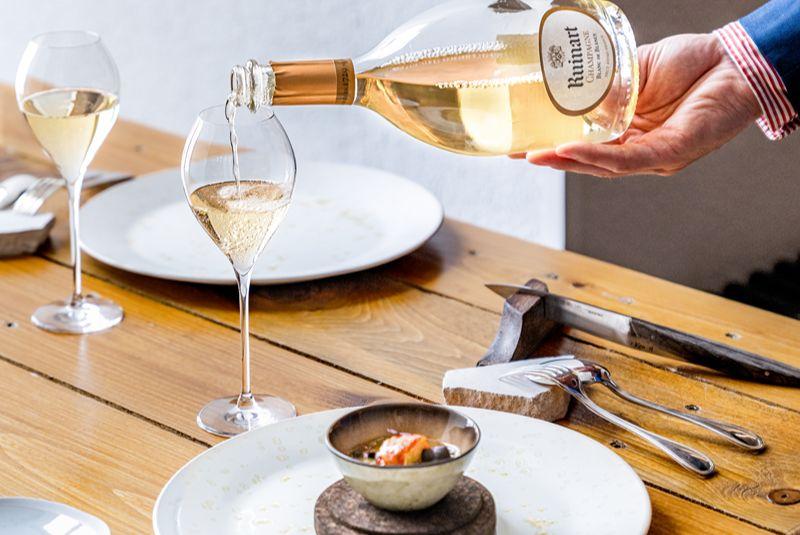
On Fridays and Saturdays, Maison Ruinart puts on a four-course seasonal lunch
If the name rings a bell, that's because Nicolas Ruinart's estate was the very first champagne house (or "maison") to be established in 1729. Its nearby Sillery vineyard, still owned by descendants of the Ruinart family, produces produces some of the few Grand Cru chardonnay grapes grown near Reims.
What to try: The Dom Ruinart Blanc de Blancs – a creamy, complex cuvée named after the Benedictine monk who brought back the idea of a new style of "wine with bubbles" from the Paris court.
Champagne Taittinger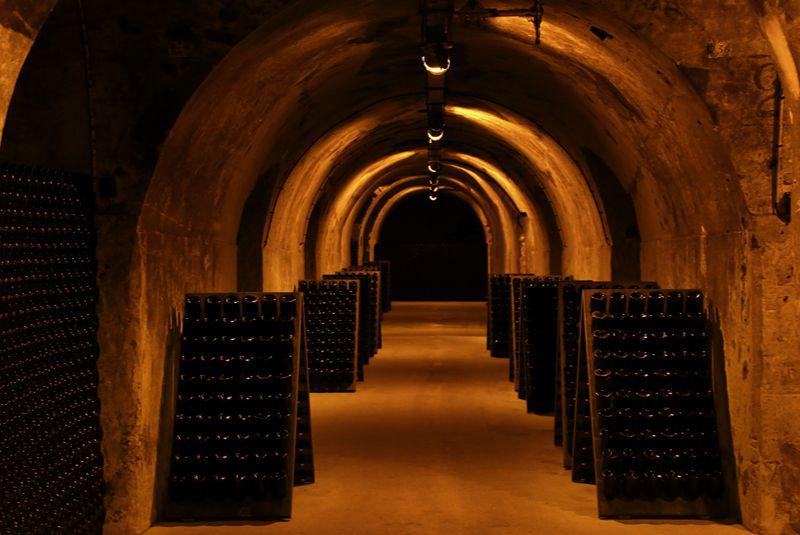
Champagne Taittinger's cellars are 18 metres underground
Next, tour this family-run house's Gallo-Roman cellars, housed deep beneath the medieval ruins of Saint-Nicaise Abbey. These cool, labyrinthine chalk quarries have been used to store and age wine for centuries, and served as a makeshift shelter and hospital for Reims residents during the First World War.
What to try: Prélude Grands Crus, a 50/50 blend of chardonnay and pinot noir sourced exclusively from Grand Cru vineyards. Aged for about five years, it's notably silky, with gentle notes of white peaches on the palate.
Veuve Clicquot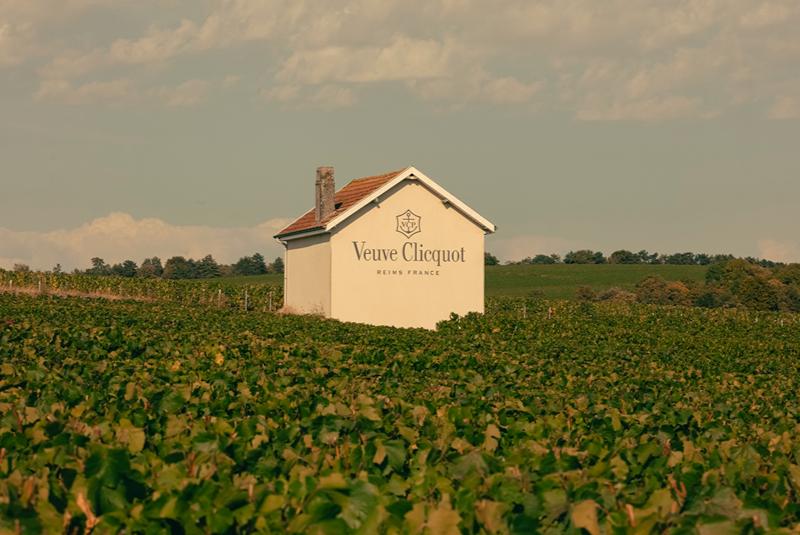
The Veuve Clicquot vineyard has three main grape varieties: chardonnay, pinot noir and pinot meunier
A stone's throw away, this champagne house bears the name of the trailblazing widow who took the reins in 1805 and is widely thought to have pioneered the riddling table – an ingenious device used to clarify sparkling wine by gathering sediment into upturned bottle necks. Vintage champagne and cheese pairings take place in the visitor centre's botanical gardens, to help gourmets develop their nose.
What to try: Book a prestige tour to sample the flagship La Grande Dame, an elegant vintage heavy on pinot noir, Madame Clicquot's favourite grape variety.
Day 2: Épernay and the Avenue de Champagne
A half-hour drive from Reims, Épernay is strategically located at the meeting point between the Vallée de la Marne, the Montagne de Reims, and the Côte des Blancs – three of Champagne's most significant terroirs, each with signposted walking trails. Beneath Avenue de Champagne's elegant 18th- and 19th-century mansions lie some 110km of chalk cellars, holding millions of bottles waiting for their turn in the limelight. Make time for a golden hour walk to the top of Mont Bernon, where a short, steep climb is rewarded with sweeping views over the surrounding valleys.
Moët & Chandon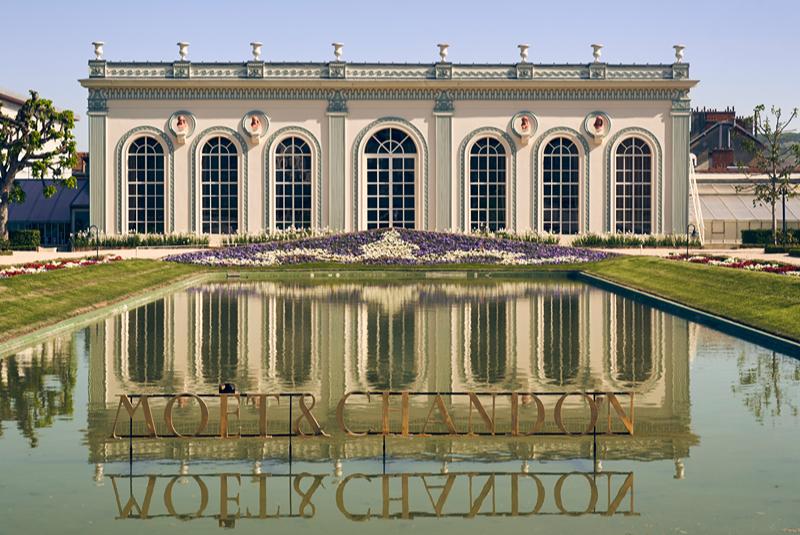
Moët & Chandon has an underground network of chalk tunnels spanning 28 kilometres where millions of bottles age
Claude Moët founded this house as a supplier to Louis XV in 1743 and his grandson was chums with a certain Mr. Bonaparte, so this maison was always destined for great things. Tours here take in the vineyards, the Fort Chabrol research centre and tastings of Moët & Chandon's splendid vintage wines.
What to try: Aim for the ultra-exclusive Trilogie des Grands Crus set of 100 percent-varietal wines, each representing pinot noir, chardonnay and pinot meunier from single ancient vineyards – the three principal grape varieties planted in the region.
Day 3: Aÿ's famed hillside vineyards
A 15-minute drive east of Épernay, Aÿ started producing stellar grapes long before bubbles became a la mode, thanks to a lower altitude and warm microclimate. King Henri IV, Queen Victoria and Winston Churchill are all rumoured to have been fans of the local tipples. The Grand Cru village is as charming as they come, with half-timbered houses, a 15th-century Gothic church and leisurely cruises on the river Marne.
Champagne Bollinger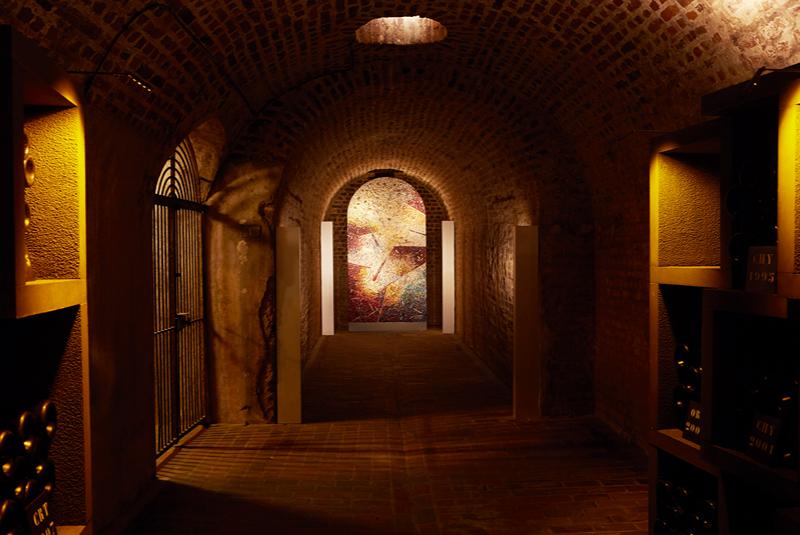
Champagne Bollinger's underground vaults contain over 12 to 13 million bottles of champagne and some 5,000 oak barrels
Fans of pinot noir should make a beeline for this family-managed house, where the full-bodied grapes are given all the spotlight they deserve. The house keeps an extensive collection of reserve wines, aged individually in magnums for up to 15 years, helping it maintain the characteristic power and intensity of its blends. It's also the custodian of ungrafted vines that somehow managed to survive the phylloxera blight – a rare feat indeed.
What to try: Splash out on Vieilles Vignes Françaises, an ultra-rare pinot noir from the exclusive old-vine plots of Clos Saint-Jacques and Chaudes Terres.
Champagne Henri Giraud
Aÿ is the spot to sniff out unique grower producers. This family-owned Maison has roots dating back to 1625, when its ancestors first settled in the village. It's famous for its revival, in the 1990s, of abandoned oak-barrel fermentation processes, using wood from the historic Argonne forest – a practice made sustainable by its extensive tree-planting programme.
What to try: Honeyed, full-bodied Fût de Chêne or the crisp, creamy-moussed Esprit Nature, a low-intervention cuvée free from pesticide residue.
Philipponnat Champagne
Known for its gastronomic wines, this house owns Clos de Goisses, a small and legendary walled vineyard in Mareuil-sur-Aÿ that produced the world's most widely recognised first single-vineyard champagne. The estate has embraced low-intervention practices too, and still hand-hoes and horse-ploughs the fragile slopes of their exceptional vineyards.
What to try: For something more accessible, try the Cuvée 1522 blending grapes from the prestigious Le Léon plot in Aÿ with other Grand Cru terroirs like Mailly and Le Mesnil-sur-Oger – a richly scented wine with notes of toasted brioche.
Discover more fantastic vineyards, restaurants, bars and hotels with The 50 Discovery, and start planning your next adventure.
