
What makes a negroni? The world's leading bartenders on why the classic endures, and how far it can be pushed.
Legend has it that in 1919, at Florence's Caffè Casoni, Count Camillo Negroni asked his bartender to spike his Americano with gin. Over a century after it was born, the negroni has become a cultural fixture. Bartenders everywhere are now pulling the drink apart, rebuilding it into everything from mezcal negronis and white negronis to more offbeat riffs. But how did we get here?
Mixologist Ryan Chetiyawardana (aka Mr Lyan) locates this rise of the negroni to around 2017, when the Aperol spritz exploded and aperitivo culture found an audience beyond Italy. But it was one Covid-era moment that really turned things up. "I distinctly remember it being quite a niche drink," he says, until "there was this uproar about Stanley Tucci making a negroni wrong." The bartending community rallied around the drink, and its status grew. It began to be seen as "something that feels distinctly adult, allows you to slow down and feels like a great cocktail." 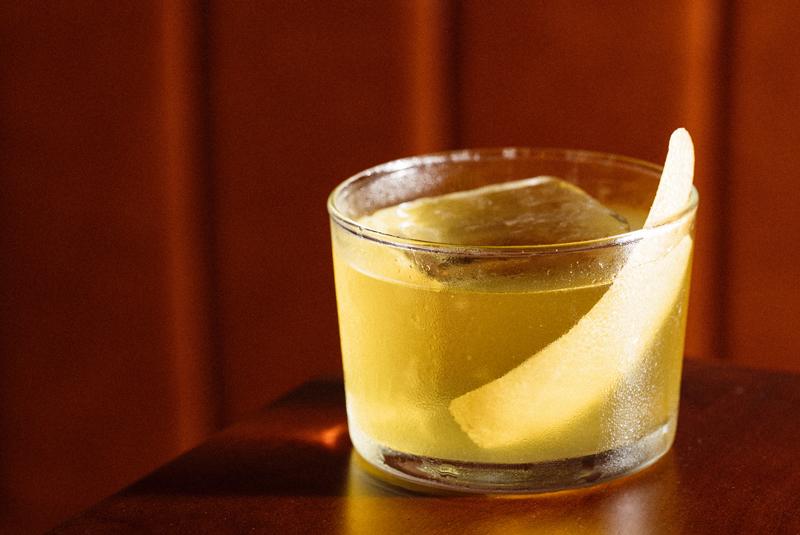
Bar Leone's Yuzu Negroni is a bright, refreshing white negroni twist with yuzu sake
Founder of Bar Leone Lorenzo Antinori believes the negroni has come to embody the aperitivo moment, its popularity rooted in the ritual of "conviviality where people get together around food and drinks." For Chetiyawardana, there's another draw: "It anchors into something real. It has a moment, a history, a culture to connect to. I think that the provenance behind it gives it weight."
That sense of heritage, paradoxically, has given bartenders the confidence to play with it. Bartenders have become ambassadors by "being creative and embracing it and making their own twist," says Antinori. And its popularity has grown in domestic settings too. "The fact that it's something people can so easily recreate at home means they can then go out and try a different version," Chetiyawardana explains.
The negroni's ubiquity cuts both ways. It encourages drinkers to hunt for more interesting versions, while pushing bartenders to create them. As Jean Trinh of Alquímico in Cartagena puts it: "Once a drink becomes that widespread, even pre-batched, it almost pushes bartenders to break it apart and rebuild it." 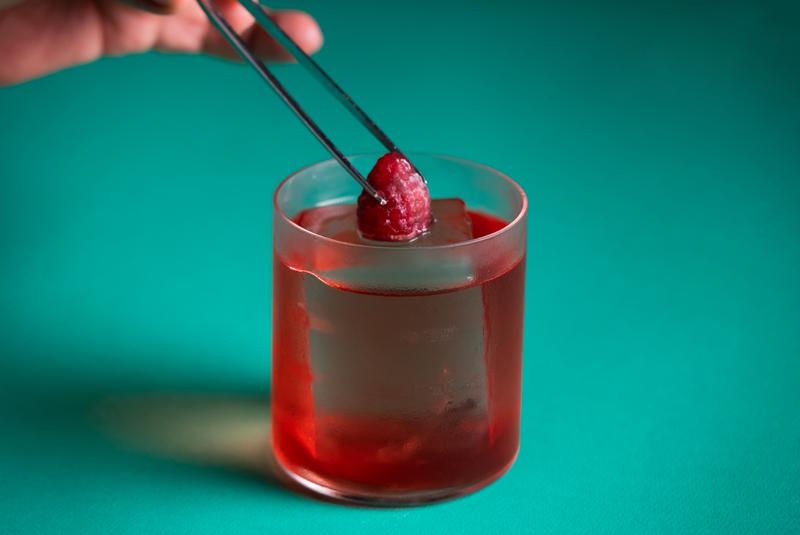
Alquímico's negroni combines dry gin, mead, Campari, blackberry, limoncello and absinthe
But that begins by seeing it as a blueprint, Trinh suggests. "I think of the negroni more as a structure than a fixed recipe. It's really about the balance between bitterness, sweetness and alcohol." Antinori agrees the equal-parts structure makes it easy to manipulate, but notes that "a spirit base, a bitter element and an aromatised wine are the pillars that you have to respect."
For Milan-based drinks writer Shane Eaton, the negroni remains a "sacred aperitivo ritual" in its Italian heartland – nowhere more so than Milan itself, home to Camparino in Galleria, a bar he calls "the unofficial mecca of the Italian aperitivo." But even there, some bars are now reaching for non-Campari bitters like Fusetti, and making mezcal and coffee versions, such as at the Negroni del Marinaio at Mag Café. 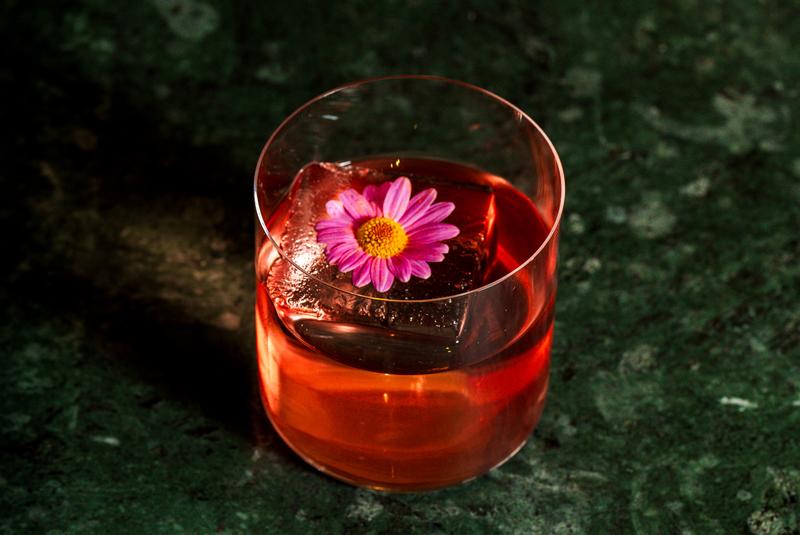
Lyaness' Hitchhiker's Negroni is made with blanco tequila, Campari and botanical vermouth
The negroni's reinvention isn't just about bartenders being creative, though. "I think it tracked on the same timeline of people getting a bit fatigued by gin and wanting to take that DNA and plug in a big whack of flavour," says Chetiyawardana. It's now common to see the likes of bourbon (if we count a boulevardier as a negroni twist), calvados, cachaça, tequila, baiju and mezcal especially switched out for the gin.
Each version has different rules, Antinori says. For mezcal, "you want something more savoury, smoky and oily. The mezcal definitely has to be the star of the show." At Bar Leone, they made one with mezcal, Campari, Ancho Verde and cacao-infused vermouth. 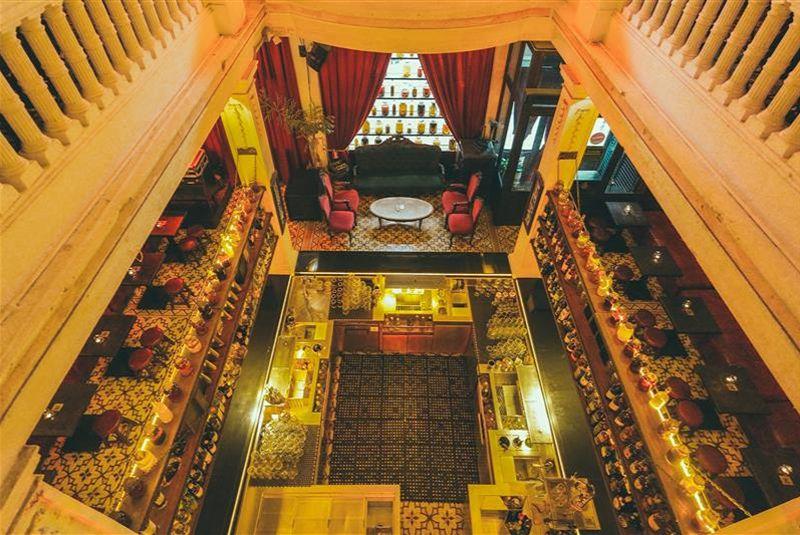
Alquímico is built in a three-storey mansion with a 360-degree sensory bar
We've also seen the arrival of the white negroni, now a category in its own right. The base version swaps red vermouth for Lillet Blanc and Campari for Suze Gentian Liqueur, keeping the gin. Antinori adds a touch of yuzu sake to this basic formula "for freshness" while noting that "the structure of the negroni" remains intact.
As bars now collaborate across continents, trends are moving at faster speeds, but local taste still shapes how drinks land. KK Hoontrakul, founder of Opium in Bangkok, notes that the negroni's "signature bitterness can be a bit much for Thai taste buds," making variations "a great way to introduce people to the world of negronis." For Negroni Week, Opium featured a mezcal version with coconut and Red Bull distillate, and a gin version twisted with wintergreen, orange peel candy, cassia bark and lavender.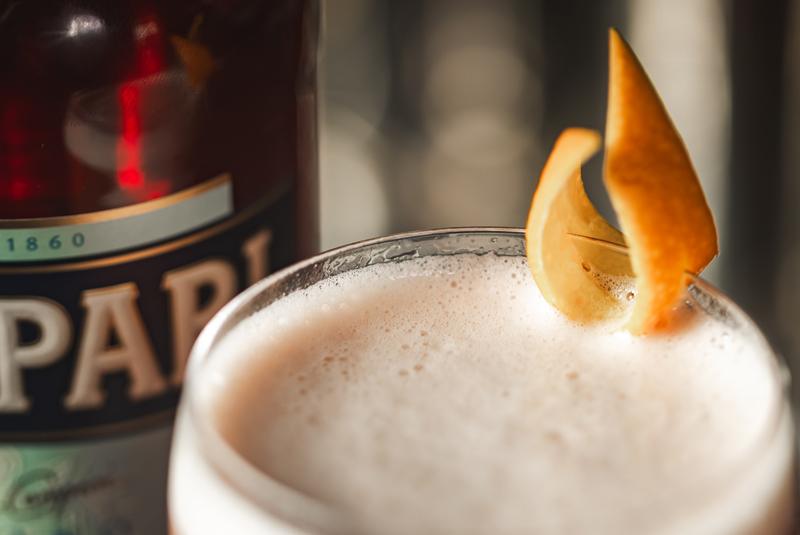
Opium presents a gin negroni twist with wintergreen, candied orange peel, cassia bark and lavender for Negroni Week
In Cartagena, Trinh draws on Colombia's natural larder. "It's not about forcing biodiversity into a negroni," he says, "it's about recognising that the structure is flexible enough to express it authentically." At Alquímico, a version with gin, house-made mead, Campari, blackberry, limoncello and wormwood uses the mead to replace aromatised wine, giving "a softer, more layered sweetness, with a bit of fermentation character that changes the texture."
With so many variations, the question of what constitutes a negroni looms. "If it still holds the essence, it's a negroni," says Trinh. "Once that balance moves too far away, it becomes something else. And that's fine too." Others are stricter: Hoontrakul says Campari is non-negotiable. Chetiyawardana will allow other bitters, but has one firm rule: "it needs to have that deeper red umber to it. If it doesn't, it starts to not feel right."
Some dispute the Count's origin story, but there's a neat irony in the idea that a drink allegedly born from a single swap has become one of the most swapped-around cocktails in the world. As Chetiyawardana says, echoing the late bartender and writer Gary Regan: "The negroni is just a bulletproof drink. You can twist the ratios, you can serve it up, you can serve it on the rocks, you can shake it, and it just still remains a negroni."
Discover more fantastic restaurants, bars and hotels with The 50 Discovery, and start planning your next adventure.
The evolution of the negroni

Sign Up to Discover More
- Save top venues and articles
- Create and share your own lists
- Receive our weekly newsletter